TCM Basics History and Modern Relevance Explained
- 时间:
- 浏览:128
- 来源:TCM1st
If you’ve ever scrolled through wellness TikToks or browsed natural remedies online, chances are you’ve stumbled upon Traditional Chinese Medicine (TCM). But what exactly is it? And more importantly—does it actually work in today’s world?
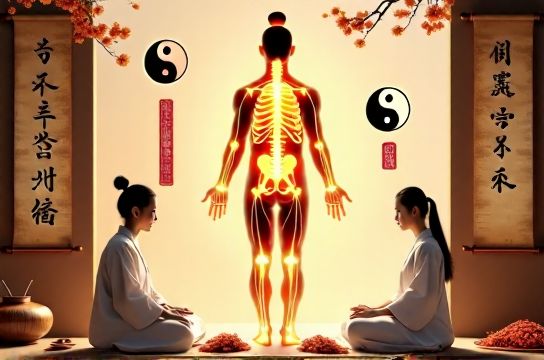
Let’s cut through the noise. TCM isn’t just about acupuncture needles or bitter herbal teas—it’s a complete medical system with over 2,500 years of history. Rooted in ancient philosophies like Qi (vital energy), Yin-Yang balance, and the Five Elements (Wood, Fire, Earth, Metal, Water), TCM views health as harmony between body and environment.
But here’s the real tea: modern science is starting to back some of it up. According to a 2023 report by the World Health Organization, over 110 countries now recognize TCM practices, and global spending on integrative medicine surpassed $180 billion last year. That’s not hype—that’s demand.
So How Does TCM Actually Work?
Western medicine often targets symptoms. TCM? It digs deeper. Think of it like troubleshooting your Wi-Fi. You could keep restarting the router (treating symptoms), or you could check if the cable’s loose (fixing root causes).
Practitioners use four main diagnostic methods: looking, listening, asking, and touching (especially pulse reading). A single session might include acupuncture, herbal formulas, cupping, or dietary advice—all tailored to your unique pattern of imbalance.
Wait—Is There Real Evidence Behind TCM?
Great question. While not every claim holds up under clinical trials, several TCM practices have strong data:
| TCM Practice | Scientific Support | Common Use Case | Effectiveness Rating (Out of 5) |
|---|---|---|---|
| Acupuncture | Strong (NIH-recognized for pain relief) | Chronic back pain, migraines | ★★★★☆ |
| Chinese Herbal Medicine | Moderate (some formulas FDA-reviewed) | Digestive issues, fatigue | ★★★☆☆ |
| Cupping Therapy | Limited but growing | Muscle recovery, inflammation | ★★★☆☆ |
| Qi Gong / Tai Chi | Strong (CDC recommends for seniors) | Balancing blood pressure, stress | ★★★★★ |
As you can see, certain modalities like acupuncture and Qi Gong aren’t just trendy—they’re backed by institutions like the National Institutes of Health and even recommended by the CDC for chronic condition management.
Why Is TCM Gaining Popularity Now?
Simple: people are tired of quick fixes. With rising rates of stress, autoimmune disorders, and burnout, many are turning to systems that emphasize prevention and holistic care. A 2022 Harvard study found that patients using integrative TCM approaches reported 30% higher satisfaction in long-term wellness outcomes compared to conventional treatment alone.
Plus, celebrities like Miranda Kerr and athletes like LeBron James openly credit TCM for their recovery routines. When elite performers bet on something, it’s worth noticing.
Final Verdict: Should You Try TCM?
If you're dealing with chronic pain, stress, or unexplained fatigue—and Western medicine hasn’t given clear answers—TCM might offer insights. Just be smart: go to licensed practitioners, avoid miracle cure claims, and always inform your primary doctor.
Bottom line? TCM isn’t magic. It’s a time-tested system evolving with science. Whether it's acupuncture for migraines or herbal blends for digestion, its modern relevance isn’t fading—it’s flourishing.