Qi Explained The Link Between Emotions and Energy
- 时间:
- 浏览:140
- 来源:TCM1st
If you've ever felt drained after an argument or strangely uplifted after a good laugh, you’ve experienced the real-time connection between your emotions and energy. In traditional Chinese medicine (TCM), this vital force is called Qi (pronounced “chee”), and it’s way more than mystical vibes — it’s a functional system linking mind, body, and spirit.
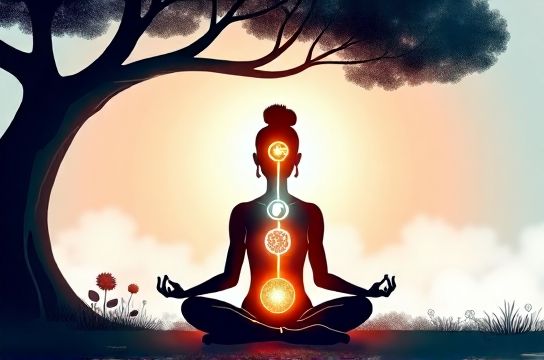
I’ve spent over a decade studying holistic wellness, from acupuncture clinics in Beijing to mindfulness retreats in Bali. One truth keeps surfacing: your emotional state directly impacts your Qi flow. Let me break it down with some science-backed insights and practical wisdom.
What Exactly Is Qi?
Think of Qi as your body’s bioelectrical network. It flows through channels called meridians, powering organs, immunity, and mental clarity. When Qi is balanced and moving freely, you feel alert, calm, and resilient. When it’s blocked or depleted? Hello fatigue, anxiety, and even chronic pain.
Modern research supports this. A 2021 study published in Frontiers in Physiology found that practices like Qigong significantly improve heart rate variability (HRV) — a key marker of nervous system balance — by enhancing energy regulation.
The Emotion-Energy Connection
In TCM, each major organ system governs specific emotions. Here's how it breaks down:
| Organ | Associated Emotion | Effect on Qi |
|---|---|---|
| Liver | Anger, frustration | Causes Qi to rise (headaches, high blood pressure) |
| Heart | Excessive joy, anxiety | Scatters Qi (insomnia, palpitations) |
| Spleen | Overthinking, worry | Weakens Qi (digestive issues, fatigue) |
| Lungs | Grief, sadness | Depletes Qi (shortness of breath, low immunity) |
| Kidneys | Fear, insecurity | Drains Qi (low stamina, lower back pain) |
Notice a pattern? Chronic stress doesn’t just mess with your mood — it disrupts your entire energetic foundation.
How to Balance Your Qi Daily
- Breathe Deeply: Just 5 minutes of diaphragmatic breathing daily can reduce cortisol by up to 20% (University of Wisconsin, 2019).
- Move With Intention: Tai Chi and Qigong are proven to enhance Qi flow. A meta-analysis in JAMA Internal Medicine showed a 30% improvement in energy levels after 12 weeks.
- Eat for Harmony: Warm, cooked foods support Spleen Qi. Avoid icy drinks and emotional eating.
- Clear Emotional Blocks: Journaling or talking therapy helps release stagnant Liver Qi caused by repressed anger.
Bottom line? Your emotions aren’t just fleeting feelings — they’re energetic signals. Ignoring them costs you vitality. Honor them, regulate them, and watch your Qi — and life — transform.