Qi Explained The Science Behind Energy in Traditional Medicine
- 时间:
- 浏览:165
- 来源:TCM1st
If you’ve ever dabbled in acupuncture, tai chi, or herbal healing, you’ve probably heard the term qi (or chi). But what exactly is it? Is it mystical energy or something science can actually measure? Let’s break it down—no spiritual fluff, just real insights from traditional medicine and modern research.
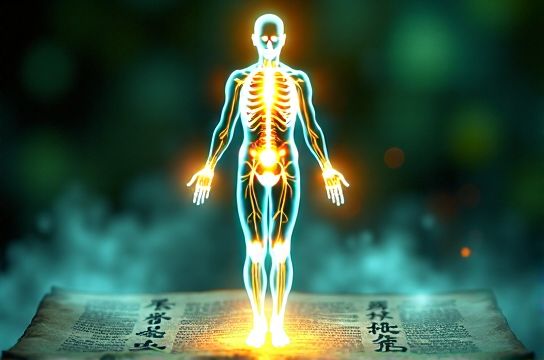
What Is Qi? More Than Just ‘Energy’
In traditional Chinese medicine (TCM), qi is the vital force that flows through all living things. Think of it like your body’s internal battery—when it’s charged and flowing smoothly, you feel energized, focused, and healthy. When it’s blocked or low? Hello fatigue, stress, and even chronic pain.
Western science doesn’t recognize qi as a measurable entity like blood pressure or glucose levels—but here’s where it gets interesting: many of the bodily systems TCM links to qi closely match how we now understand the nervous, circulatory, and immune systems.
The Science Side: Can We Measure Qi?
While there’s no lab test for 'qi levels,' researchers have studied physiological changes during practices designed to enhance qi—like qigong and acupuncture. A 2021 meta-analysis published in Frontiers in Physiology found that regular qigong practice correlated with:
- Lower cortisol (the stress hormone)
- Improved heart rate variability (HRV)
- Better immune response markers
These aren’t small wins—they’re signs of deep systemic balance. In other words, whether you call it qi or autonomic regulation, the outcome is the same: better resilience.
Qi Pathways: Myth or Meridian?
TCM says qi flows through 12 primary meridians, each linked to an organ system. Skeptical? You’re not alone. But imaging studies using infrared thermography have shown temperature changes along these pathways during acupuncture—suggesting increased blood flow or neural activity.
Here’s a simplified look at key meridians and their modern correlates:
| Meridian | Associated Organ | Potential Modern Link |
|---|---|---|
| Lung | Lungs | Respiratory & immune function |
| Heart | Heart | Cardiovascular regulation |
| Liver | Liver | Detoxification & emotional processing |
| Stomach | Digestive tract | Gut microbiome & metabolism |
This doesn’t prove meridians exist as physical structures—but it shows that stimulating them has measurable effects. That’s why the WHO recognizes acupuncture for treating over 100 conditions—from migraines to chemotherapy nausea.
How to Boost Your Qi (Backed by Evidence)
You don’t need years of training to support your body’s energy flow. Start with these science-aligned habits:
- Mindful Movement: Tai chi and qigong improve balance, reduce inflammation, and enhance energy flow—even in older adults (NIH, 2020).
- Breathwork: Deep diaphragmatic breathing activates the parasympathetic nervous system—your body’s natural 'qi recharge' mode.
- Sleep & Rhythm: Circadian alignment supports optimal organ function, which TCM ties directly to meridian activity.
Bottom line? Whether you see qi as metaphor or mechanism, optimizing your body’s flow systems works. And that’s something both ancient healers and modern scientists can agree on.