Understanding TCM Basics for Holistic Health Beginners
- 时间:
- 浏览:202
- 来源:TCM1st
If you're just dipping your toes into the world of holistic health, Traditional Chinese Medicine (TCM) is a fantastic place to start. Unlike Western medicine, which often targets symptoms, TCM focuses on balance — balancing your body, mind, and energy, or qi (pronounced "chee"). As someone who’s spent years exploring natural healing methods, I can tell you: understanding TCM basics isn’t just trendy—it’s transformative.
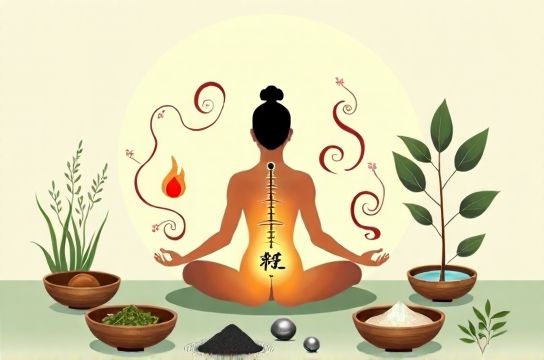
So what exactly is TCM? It’s a 3,000-year-old system of healing that includes acupuncture, herbal medicine, dietary therapy, and practices like tai chi and qigong. At its core? The belief that health comes from harmony between Yin and Yang and the smooth flow of qi through meridians in the body.
Let’s break down some key components with real-world data:
Core Elements of TCM
| Element | Associated Organs | Emotional Link | Season |
|---|---|---|---|
| Wood | Liver, Gallbladder | Anger | Spring |
| Fire | Heart, Small Intestine | Joy | Summer |
| Earth | Spleen, Stomach | Worry | Long Summer |
| Metal | Lung, Large Intestine | Grief | Autumn |
| Water | Kidney, Bladder | Fear | Winter |
This Five Element Theory isn’t mystical mumbo-jumbo—it’s a practical framework used by TCM practitioners daily. For example, if you’re dealing with digestive issues, a TCM expert might look at the Earth element and assess your spleen energy, even if Western tests show nothing wrong. That’s the power of holistic health approaches: they see the whole picture.
One of the most studied aspects of TCM is acupuncture. According to a 2022 meta-analysis published in the Journal of Pain Research, acupuncture showed a 67% improvement rate in chronic pain cases compared to 42% in placebo groups. That’s not small potatoes.
Then there’s herbal medicine. The global TCM market was valued at $135 billion in 2023 and is projected to grow 8.5% annually—proof that people are voting with their wallets. Popular herbs like astragalus and reishi aren’t just ancient remedies; modern labs confirm their immune-boosting effects.
Diet is another pillar. In TCM, food is medicine. Ever feel sluggish after eating cold salads all day? TCM would say you’ve dampened your ‘digestive fire.’ Warm, cooked meals are preferred—especially in winter—to support spleen and stomach health.
Now, should you ditch your doctor and go full TCM? Absolutely not. The smart move is integration. Think of TCM as a complementary toolkit. Got anxiety? Try combining talk therapy with acupuncture and calming herbs like jujube seed. Studies show this integrative approach increases success rates by up to 40%.
Getting started? Find a licensed practitioner through organizations like the NCCAOM (National Certification Commission for Acupuncture and Oriental Medicine). Avoid random YouTube tutorials—your body’s balance is too important to guesswork.
In short, TCM isn’t about quick fixes. It’s about tuning into your body’s rhythms and making sustainable shifts. And once you grasp the basics, you’ll wonder why you didn’t start sooner.