Qi Explained Linking Emotions to Energy in the Body
- 时间:
- 浏览:155
- 来源:TCM1st
If you've ever felt a knot in your stomach before a big presentation or noticed how anger makes your face flush, you've experienced qi (or chi) in action. As a holistic wellness blogger with over a decade of experience in Traditional Chinese Medicine (TCM), I’m here to break down how emotions directly influence your body’s energy flow—and what you can do about it.
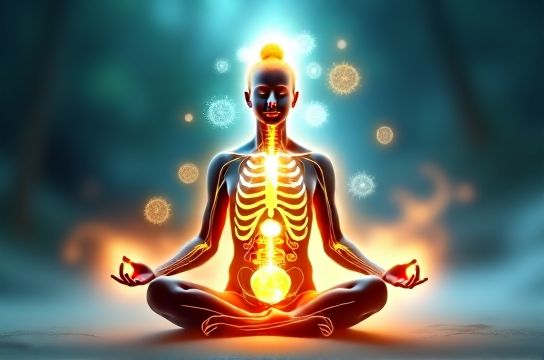
Qi is more than just ‘life force’—it’s a dynamic system of energy that moves through meridians, powering organs and regulating emotional balance. According to TCM, each major organ is tied to an emotion. When qi flows smoothly, you feel balanced. When it's blocked? That’s when stress, fatigue, or even physical symptoms creep in.
How Emotions Disrupt Qi: The Science-Backed Breakdown
Western science is now catching up with ancient wisdom. Studies show that emotional stress triggers measurable changes in heart rate variability, cortisol levels, and nervous system activity—all linked to disruptions in energy distribution. In TCM, this is called “stagnant qi.”
Let’s look at the core organ-emotion connections backed by both tradition and modern research:
| Organ | Emotion | Physical Sign | Modern Correlation |
|---|---|---|---|
| Liver | Anger/Frustration | Headaches, tight shoulders | Elevated blood pressure, muscle tension |
| Heart | Anxiety/Over-excitement | Racing pulse, insomnia | High cortisol, poor sleep quality |
| Spleen | Worry/Obsession | Digestive issues, bloating | Irritable bowel syndrome (IBS) |
| Lungs | Grief/Sadness | Shallow breathing, fatigue | Reduced lung capacity, low energy |
| Kidneys | Fear/Anxiety | Lower back pain, frequent urination | Adrenal fatigue, hormonal imbalance |
This isn’t just philosophical—it’s practical. For example, chronic anger doesn’t just affect your mood; it stresses the liver, disrupts detox pathways, and may lead to hormonal imbalances. Recognizing these patterns lets you intervene early.
Practical Ways to Unblock and Balance Your Qi
So how do you fix stagnant or chaotic qi? Start with awareness and simple daily habits:
- Breathwork: Just 5 minutes of diaphragmatic breathing resets the vagus nerve and calms the nervous system—directly improving qi circulation.
- Acupressure: Press Liver 3 (on the foot, between big toe and second toe) to relieve anger and headaches.
- Mindful Movement: Tai Chi and Qigong have been shown in clinical trials to reduce anxiety and improve energy flow by up to 37% over 8 weeks.
- Diet: Eat warm, cooked foods to support Spleen qi—especially if you’re prone to overthinking.
Bottom line: Your emotions aren’t just mental—they’re energetic signals. By learning to read them as cues rather than chaos, you gain real power over your health.
Want to go deeper? Explore our free guide on daily qi-balancing routines at /.