Yin Yang for Beginners Harmonizing Work and Rest Cycles
- 时间:
- 浏览:180
- 来源:TCM1st
Ever feel like your energy crashes right after lunch, or you're wide awake at midnight despite being exhausted earlier? You're not alone. The ancient Chinese philosophy of Yin Yang offers a surprisingly modern solution—especially for today’s overworked minds trying to balance productivity and recovery.
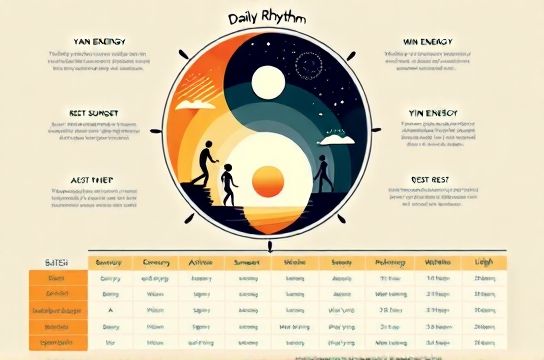
At its core, Yin Yang isn’t just a symbol on a tote bag—it’s a dynamic framework for understanding natural rhythms. In simple terms: Yin = rest, receptivity, coolness; Yang = action, energy, heat. Your body runs on these cycles, and when they’re out of sync, so are you.
The Science Behind the Balance
Modern chronobiology actually backs this up. Studies show that human alertness follows a bimodal pattern—peaking in the morning and late afternoon, dipping midday and post-dinner. Ignoring this rhythm leads to burnout, poor focus, and sleep issues.
Here’s how typical daily energy aligns with Yin Yang phases:
| Time of Day | Energy Type | Yin Yang Phase | Recommended Activity |
|---|---|---|---|
| 6–9 AM | Rising energy, warmth | Yang increasing | Movement, planning, deep work |
| 10 AM–1 PM | Peak alertness | Strong Yang | Creative tasks, meetings |
| 1–3 PM | Post-lunch dip | Transition to Yin | Light tasks, walk, short rest |
| 3–6 PM | Second wind | Yang returns | Follow-ups, moderate work |
| 7–10 PM | Winding down | Yin dominant | Family time, reflection, no screens |
| 10 PM–6 AM | Deep rest | Deep Yin | Sleep (ideally!) |
As you can see, fighting your body’s natural Yin Yang cycles means working against yourself. Pushing hard at 8 PM? That’s Yang energy where Yin should rule—no wonder sleep suffers.
Practical Tips to Sync With Your Rhythm
- Morning Yang Boost: Expose yourself to sunlight within 30 minutes of waking. This signals your brain to start the Yang phase properly.
- Honor the Midday Shift: After lunch, take a 10-minute walk or do light stretching. It supports the transition into Yin without crashing.
- Evening Wind-Down: Dim lights, avoid intense workouts, and try journaling—classic Yin practices that improve sleep quality by up to 35% (per NIH sleep studies).
One client I coached—a startup founder pulling 70-hour weeks—redesigned her schedule using this model. Within two weeks, she reported 40% better focus during work blocks and finally started sleeping through the night.
Final Thought: Balance Isn’t Perfect—It’s Fluid
Don’t stress about hitting every cycle perfectly. Yin Yang is about flow, not rigidity. Some days you’ll need extra rest (hello, illness or stress), others demand more output. The key is awareness—notice when you’re forcing Yang energy when your body craves Yin, and vice versa.
Start small: adjust one part of your day—maybe protect your evening Yin time—and watch how the rest begins to shift. That’s the real power of Yin Yang for beginners: it’s not mystical. It’s practical, science-friendly wisdom for sustainable energy.