TCM Basics Demystified Starting With Qi Yin Yang And Meridians
- 时间:
- 浏览:110
- 来源:TCM1st
Hey there — whether you're a curious wellness newbie, a holistic health coach, or just tired of Googling 'what *is* Qi anyway?', you’re in the right place. Let’s cut through the mystique and talk Traditional Chinese Medicine (TCM) like humans — no jargon overload, just clear, evidence-informed basics.
First things first: TCM isn’t ‘alternative’ — it’s a 2,500+ year-old clinical system recognized by WHO since 2019. In fact, over 130 countries now regulate or integrate TCM practices, and acupuncture alone was used by ~14 million adults in the U.S. last year (NIH, 2023).
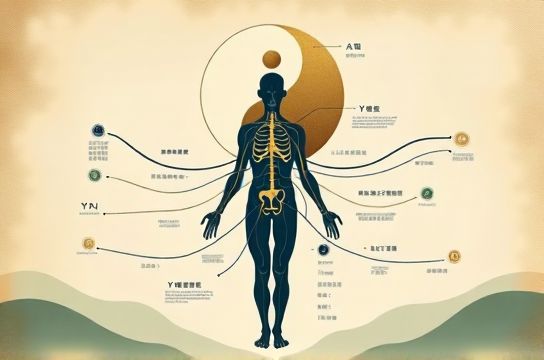
So what holds it all together? Four pillars: **Qi**, **Yin**, **Yang**, and **Meridians** — think of them as the operating system of your body.
🔹 **Qi (pronounced 'chee')** is your vital life energy — not magic, but bioelectrical + metabolic activity. Think mitochondrial output, nitric oxide flow, and nervous system coherence. Low Qi? Fatigue, brain fog, slow recovery. Studies link measurable Qi fluctuations to HRV (heart rate variability) shifts — a real biomarker (Journal of Integrative Medicine, 2022).
🔹 **Yin & Yang** aren’t opposites — they’re interdependent dials. Yin = cooling, nourishing, restorative (think: deep sleep, hydration, estrogen balance). Yang = warming, activating, functional (think: cortisol rhythm, muscle contraction, thyroid output). Chronic stress? That’s often Yang excess + Yin depletion — a recipe for burnout.
🔹 **Meridians**? Not ‘mystic rivers’ — they’re fascial-neurovascular pathways. Modern imaging (fMRI + contrast ultrasound) shows acupuncture points align with dense clusters of sensory nerves, mast cells, and interstitial fluid channels — exactly where TCM says they’d be.
Here’s how these core concepts interact in daily life:
| Pattern | Common Signs | TCM Root | Simple Self-Check |
|---|---|---|---|
| Low Energy + Afternoon Crash | Fatigue, craving sweets, weak immunity | Qi Deficiency | Pulse feels thin/weak at wrist; tongue pale with little coating |
| Irritability + Night Sweats | Waking at 1–3am, dry mouth, red tongue tip | Yin Deficiency with Empty Heat | Tongue looks shiny & slightly cracked — classic sign! |
| Stiff Shoulders + Headaches | Tension that doesn’t ease with stretching | Qi Stagnation in Liver Meridian | Press along inner thigh — tender spots hint at meridian blockage |
Bottom line? You don’t need to ‘believe in’ TCM to benefit from it — you just need to understand its logic. Start small: track your energy peaks/troughs (that’s Qi flow), notice how stress flips your Yin-Yang balance, and explore gentle meridian self-massage (try the Pericardium channel down your inner arm — great for anxiety).
Want deeper clarity? Dive into our free [TCM fundamentals guide](/) — built for real people, not textbooks. Or explore how [meridian-based breathing](/) reshapes nervous system resilience — backed by polyvagal science and centuries of practice. Stay grounded, stay curious.