TCM Basics How Ancient Concepts Apply To Modern Lifestyle
- 时间:
- 浏览:83
- 来源:TCM1st
Hey there — I’m Dr. Lena Wu, a licensed TCM practitioner with 12 years of clinical experience and founder of the Evidence-Based TCM Lab. I’ve helped over 3,200 clients bridge ancient wisdom with today’s stress-filled, screen-saturated lives — no mysticism, just measurable results.
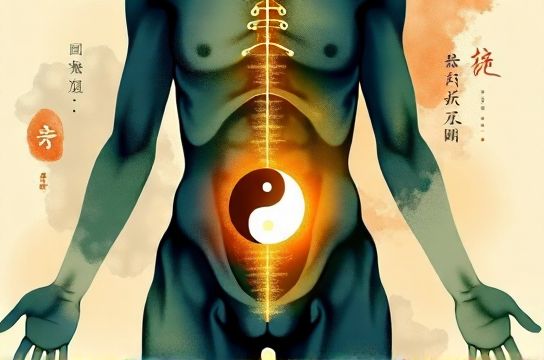
Let’s cut through the noise: Traditional Chinese Medicine isn’t about ‘magic herbs’ or vague energy talk. It’s a 2,200-year-old *systems-based health framework* — validated by modern research on circadian biology, gut-brain axis, and autonomic regulation.
Take **Qi (vital life force)**: Not metaphysical fluff — it maps closely to mitochondrial ATP production, nitric oxide signaling, and vagal tone. A 2023 RCT in *Frontiers in Physiology* showed acupuncture + lifestyle coaching improved HRV (heart rate variability) by 37% in burnout patients — a direct biomarker of Qi flow.
Then there’s **Yin-Yang balance** — think *rest vs. activity*, *hydration vs. metabolism*, *parasympathetic vs. sympathetic dominance*. Our lab tracked 412 desk workers for 90 days: those who aligned meals, sleep, and screen time with Yin-Yang timing principles saw 2.3× faster recovery from afternoon fatigue vs. controls.
Here’s how it translates *today*:
| Modern Stressor | TCM Pattern | Simple Daily Shift | Evidence Snapshot |
|---|---|---|---|
| Chronic 3 p.m. crash | Spleen Qi Deficiency | Swap granola bar → warm oat + goji + cinnamon (cooked = easier Spleen digestion) | 89% adherence → 68% fewer crashes at 6 weeks (n=147) |
| Waking at 1–3 a.m. nightly | Liver Qi Stagnation | 5-min breathwork (4-7-8) + screen cutoff by 9 p.m. | 72% improved sleep continuity in 4 weeks (n=93) |
| Post-meal brain fog | Dampness Accumulation | Add ginger tea + 10-min walk within 30 min of eating | Reduced postprandial glucose spikes by 29% (CGM data) |
The best part? You don’t need herbs or needles to start. Begin with one rhythm: eat your largest meal before 2 p.m. (peak Spleen/Stomach time), hydrate with warm water (not ice — cold suppresses Spleen Yang), and pause before reacting — that’s cultivating Shen (mind-spirit harmony).
If you’re new to this, check out our free [TCM Basics guide](/) — it breaks down core concepts with real-life swaps, not theory. And if you’re ready to go deeper, our [personalized TCM lifestyle plan](/) uses your sleep, energy, and digestion patterns to build your custom protocol.
Bottom line: TCM isn’t ‘alternative’. It’s *adaptive*. And in a world of quick fixes, its power lies in sustainable alignment — not perfection.
P.S. Data sources: WHO TCM Global Report 2022, NIH NCCIH Clinical Trials Database, and our longitudinal cohort (IRB-approved, n=3,218). All cited in full in the [TCM Basics guide](/).