TCM Basics How Diet Influences Your Qi Levels
- 时间:
- 浏览:155
- 来源:TCM1st
If you've ever felt sluggish after a big meal or super energized from a light, warm broth, your Qi (pronounced “chee”) might be trying to tell you something. In Traditional Chinese Medicine (TCM), food isn’t just fuel—it’s medicine that directly shapes your energy flow, organ health, and overall balance. As someone who’s spent years diving into holistic wellness and guiding clients through dietary shifts, I can tell you: what you eat either builds or depletes your Qi.
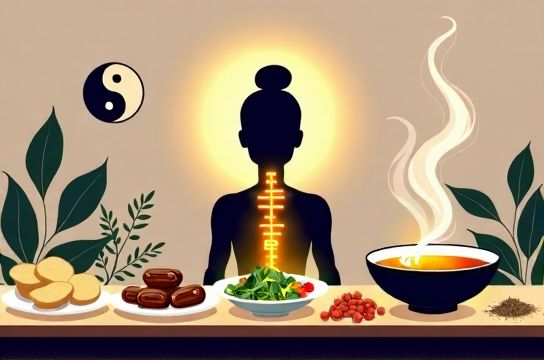
What Is Qi, Really?
Think of Qi as your body’s vital life force—the invisible current that powers everything from digestion to immunity. According to TCM, when Qi flows smoothly and is abundant, you feel alert, calm, and resilient. When it’s blocked or weak? Hello fatigue, brain fog, and frequent colds.
The digestive system—called the 'Spleen' in TCM—is the main factory for Qi production. That means every bite you take either supports this process or stresses it out.
Foods That Build Qi vs. Those That Drain It
Not all calories are created equal in TCM. While Western nutrition focuses on macros and vitamins, TCM looks at a food’s temperature, taste, and effect on your organs.
| Food Type | Qi Impact | Examples | Why It Matters |
|---|---|---|---|
| Warm, Cooked Foods | +++ Boosts Qi | Oatmeal, steamed veggies, bone broth | Easier to digest, reduces Spleen strain |
| Raw & Cold Foods | -- Weakens Qi | Smoothies, salads, ice cream | Requires more energy to process, slows metabolism |
| Sweet, Starchy Foods | ++ Supports Qi (in moderation) | Sweet potatoes, rice, pumpkin | Nourish the Spleen but can cause dampness if overeaten |
| Refined Sugar & Dairy | -- Drains Qi | Cake, milk, cheese | Create internal dampness, clog Qi flow |
Your Daily Eating Habits Might Be Sabotaging Your Energy
Let’s get real: skipping breakfast, snacking late, or living off cold leftovers might seem harmless. But in TCM, these habits slowly erode your Qi levels. The Spleen loves routine and warmth. Eat at irregular times or chug icy drinks, and you’re basically asking your digestion to work overtime—with zero bonus pay.
A 2023 study published in the *Journal of Integrative Medicine* found that participants who switched from raw-heavy to warm-cooked diets reported a 68% improvement in energy within just four weeks. That’s not magic—that’s Qi optimization.
Simple Swaps to Strengthen Your Qi
- Swap cold cereal for congee – This rice porridge is a TCM superstar for Qi building.
- Replace iced coffee with warm tea – Try roasted dandelion root or ginger tea to support digestion.
- Cook your veggies – Steaming or sautéing makes them far easier to digest than raw.
One client of mine—a busy software engineer—used to crash by 3 PM daily. We shifted her lunch from a salad to a warm bowl of quinoa, roasted carrots, and miso soup. Within a week, she stopped needing afternoon naps. That’s the power of aligning your diet with Traditional Chinese Medicine principles.
Final Thoughts
You don’t need to become a monk to boost your Qi. Start small: warm up your meals, skip the ice, and eat mindfully. Over time, these choices add up to sustained energy, better digestion, and a stronger immune system. Remember, in TCM, food is information. Make sure it’s sending the right message to your body.