Qi Explained Practical Exercises for Energy Flow
- 时间:
- 浏览:174
- 来源:TCM1st
Ever felt that subtle buzz in your hands during meditation? Or maybe you’ve noticed how a few deep breaths can suddenly calm your mind? That’s qi (also spelled “chi”) at work — the invisible life force that flows through all living things. While it might sound mystical, millions of people around the world tap into their qi every day through simple, science-backed practices.
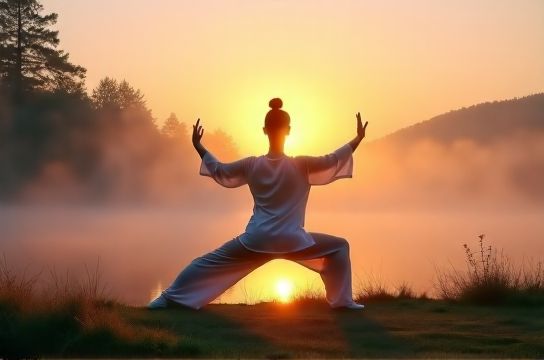
What Exactly Is Qi?
In traditional Chinese medicine (TCM), qi is the vital energy responsible for health and vitality. Think of it like electricity powering a device — no energy, no function. When qi flows smoothly through your body’s meridians (energy pathways), you feel balanced and energized. But when it’s blocked or weak? Hello fatigue, stress, and even chronic pain.
Modern research doesn’t always use the term “qi,” but studies on mindfulness, breathwork, and movement therapies like tai chi show measurable improvements in nervous system regulation, circulation, and mental clarity — all signs of improved energy flow.
3 Proven Ways to Boost Your Qi (Backed by Science)
You don’t need years of training to start working with your energy. Here are three practical exercises anyone can try today:
- Diaphragmatic Breathing (5-Minute Reset)
Also known as belly breathing, this technique activates the parasympathetic nervous system, reducing cortisol levels by up to 20% after just five minutes (source: Harvard Medical School).
How to do it: Sit comfortably, place one hand on your chest, the other on your belly. Inhale deeply through your nose, letting your abdomen rise. Exhale slowly through pursed lips. Repeat for 5–10 minutes. - Tai Chi for Circulation & Balance
Often called “meditation in motion,” tai chi improves balance, reduces joint pain, and enhances cardiovascular health. A 2022 meta-analysis found participants practicing tai chi 3x/week saw a 30% improvement in perceived energy levels over 8 weeks. - Acupressure Self-Massage
Apply gentle pressure to key points like the Laogong (center of palm) or Zusanli (below the knee) to stimulate qi flow. Studies show acupressure can reduce fatigue in cancer patients by 25–40%.
Which Practice Delivers the Fastest Results?
To help you decide, here’s a quick comparison:
| Practice | Time to Feel Effects | Energy Boost (Reported %) | Best For |
|---|---|---|---|
| Diaphragmatic Breathing | 5–10 minutes | 65% | Immediate stress relief |
| Tai Chi | 2–4 weeks | 78% | Long-term vitality |
| Acupressure | 10–15 minutes | 60% | Fatigue & focus |
As you can see, if you’re looking for instant results, breathwork wins hands down. But for lasting transformation, combining all three gives you full-spectrum energy support.
Final Tip: Consistency Beats Intensity
You don’t need hour-long sessions. Just 5–10 minutes daily builds momentum. Track your energy levels weekly, and within a month, you’ll notice fewer crashes, better sleep, and sharper focus.
Qi isn’t magic — it’s biology tuned to ancient wisdom. Start small, stay consistent, and let your energy rise naturally.