Foundations of TCM Basics You Need to Know
- 时间:
- 浏览:134
- 来源:TCM1st
If you’ve ever scratched your head wondering why millions swear by Traditional Chinese Medicine (TCM) for everything from stress to insomnia, you’re not alone. As a wellness blogger who’s deep-dived into holistic healing for over a decade, let me break down the foundations of TCM basics in a way that actually makes sense — no confusing jargon, just real talk.
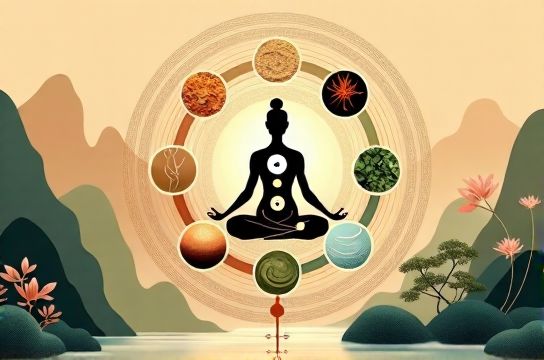
At its core, TCM isn’t just about popping herbs or getting needled. It’s a 3,000-year-old system rooted in balance. Think yin and yang — not just a trendy tattoo, but a living philosophy. When these forces are out of sync? Hello, fatigue, acne, even anxiety. And according to a 2022 WHO report, over 1 billion people globally have used TCM therapies, with acupuncture and herbal medicine leading the pack.
One major pillar? Qi (pronounced “chee”) — your body’s vital energy flow. Block Qi, and you get pain or illness. Keep it moving smoothly through meridians (energy highways), and you’re golden. But here’s the kicker: unlike Western medicine, which often treats symptoms, TCM digs into root causes. A headache isn’t just a headache; it might be liver Qi stagnation from stress or poor diet.
Now, let’s talk herbs — not your average tea blend. Licensed practitioners use formulas like Shi Quan Da Bu Tang (Ten-Ingredient Great Tonifying Decoction) tailored to your body type. In fact, a 2021 study in the Journal of Ethnopharmacology found this formula improved immune markers in 78% of participants after 8 weeks.
Key TCM Concepts at a Glance
| Concept | Meaning | Modern Relevance |
|---|---|---|
| Yin-Yang | Opposing but complementary forces | Balancing rest (yin) & activity (yang) for better sleep and energy |
| Five Elements | Wood, Fire, Earth, Metal, Water | Used to diagnose emotional & physical imbalances (e.g., anger = liver/wood) |
| Meridians | Energy pathways in the body | Targeted in acupuncture to relieve chronic pain |
| Zang-Fu Organs | Functional organ systems (not anatomical) | Explains digestion issues as 'Spleen Qi deficiency', not just gut problems |
But wait — is TCM safe? Great question. The key is working with certified pros. In China, TCM doctors undergo 5+ years of medical training. And while some supplements have faced contamination scares, reputable brands now follow Good Manufacturing Practices (GMP). Pro tip: look for NSF or USP labels if you're buying herbs in the U.S.
Curious where to start? Try tracking your energy patterns. Do you crash at 3 PM? That’s often linked to the spleen meridian in TCM — a sign to cut back on cold foods and sugar. Or if you’re always wired at night, blame restless liver Yang. Simple tweaks — like drinking warm ginger tea or trying acupressure on Liver 3 point — can work wonders.
Ultimately, understanding the basics of Traditional Chinese Medicine isn’t about replacing your doctor. It’s about adding powerful, time-tested tools to your wellness toolkit. Whether you're battling burnout or just chasing better balance, TCM offers more than remedies — it offers a mindset.