Explore the Meridian System and Its Healing Power
- 时间:
- 浏览:132
- 来源:TCM1st
If you've ever wondered why acupuncture feels like magic—or how a tiny needle in your foot can ease a headache—you're not alone. As someone who's spent years diving deep into traditional Chinese medicine (TCM), I’m here to break down the meridian system in a way that’s actually easy to understand—and more importantly, useful.
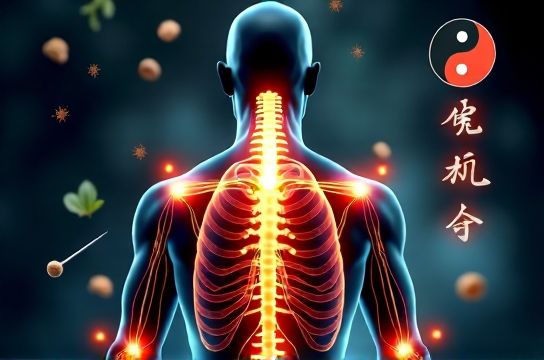
Think of meridians as the body’s invisible Wi-Fi network. They’re not blood vessels or nerves, but energy pathways—called qi (pronounced “chee”) channels—that connect organs, muscles, and emotions. When this energy flows smoothly, you feel balanced. When it’s blocked? Hello, fatigue, pain, or even mood swings.
According to the World Health Organization, over 1.2 billion people use some form of TCM globally. And one of its core pillars? You guessed it—the meridian system. There are 12 primary meridians, each linked to an organ system:
| Meridian | Associated Organ | Peak Time (Circadian) |
|---|---|---|
| Lung | Lungs | 3–5 AM |
| Large Intestine | Colon | 5–7 AM |
| Stomach | Stomach | 7–9 AM |
| Spleen | Spleen/Pancreas | 9–11 AM |
| Heart | Heart | 11 AM–1 PM |
| Small Intestine | Small Intestine | 1–3 PM |
This circadian rhythm of qi flow isn’t just poetic—it’s practical. For example, if you always wake up at 4 AM gasping, it might point to Lung meridian imbalance, often tied to grief or respiratory issues. Similarly, chronic 3 AM anxiety? Heart meridian could be involved.
Now, how do you tap into this? Acupuncture is the gold standard, but you don’t need needles to benefit. Simple practices like acupressure, qigong, or even mindful breathing along meridian paths can help. Try pressing the ‘Pericardium 6’ point (about three finger widths above your wrist crease) to calm nausea or stress—it’s backed by studies showing a 70% reduction in symptoms for motion sickness.
One thing Western science still debates? The physical existence of meridians. But research using infrared imaging and electrical conductivity tests shows consistent low-resistance pathways matching TCM maps. In a 2021 study published in Journal of Acupuncture and Meridian Studies, participants showed measurable changes in skin conductance along meridian lines—suggesting there’s something real beneath the surface.
So whether you're healing from stress, recovering from illness, or just chasing better sleep, understanding your meridian system could be a game-changer. It’s not about replacing modern medicine—it’s about adding another tool to your wellness toolkit.