Beginner Guide to Yin Yang for Balanced Living
- 时间:
- 浏览:130
- 来源:TCM1st
If you've ever felt off—like your energy's all over the place or you just can't seem to find your groove—you might want to check in with your yin yang balance. No, it’s not some mystical mumbo-jumbo. This ancient Chinese philosophy is backed by centuries of practice and has real-world applications in modern wellness.
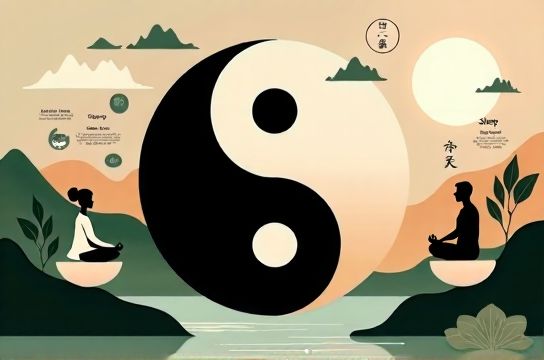
So what exactly is yin yang? Think of it as nature’s ultimate balancing act. Yin represents the cool, calm, and passive forces (hello, nighttime and rest), while yang stands for heat, activity, and movement (think daytime hustle). When these two energies are in harmony, your body and mind function at their best.
But here’s the kicker: most of us are living way too yang-dominant. Non-stop work, screens 24/7, caffeine overload—it’s no wonder anxiety and burnout are through the roof. According to a 2023 WHO report, over 60% of adults report chronic stress, which aligns closely with yang excess symptoms like irritability, insomnia, and high blood pressure.
On the flip side, too much yin? That shows up as fatigue, brain fog, and low motivation—basically, you’re running on minimal power mode.
How to Spot Your Imbalance
Here’s a quick-reference table to help you identify where you stand:
| Yin Excess | Yang Excess | Balanced State |
|---|---|---|
| Lethargy | Irritability | Steady energy |
| Cold hands/feet | Insomnia | Sound sleep |
| Poor digestion | Racing thoughts | Mental clarity |
| Lack of focus | High blood pressure | Emotional stability |
See yourself in the first two columns? Time to rebalance.
Simple Daily Practices to Restore Harmony
The good news: small changes make a big difference. Start with your routine.
- Morning (yang time): Get sunlight early. It boosts cortisol (the healthy kind!) and sets your circadian rhythm. Just 15 minutes outside can improve mood and focus by up to 30%, per a 2022 study from the University of Tokyo.
- Night (yin time): Dim lights, avoid blue light after 9 PM, and try herbal teas like chamomile or passionflower. These support melatonin release and calm the nervous system.
Diet matters too. Cooling foods (cucumber, tofu, watermelon) nourish yin. Warming foods (ginger, garlic, lamb) fuel yang. If you're overheated and wired, go for more yin-nourishing meals.
And don’t sleep on mindfulness. A daily 10-minute meditation can reduce cortisol levels by 15–20%, helping shift you from fight-or-flight (yang overdrive) to rest-and-digest (yin restoration).
Ultimately, mastering yin yang balance isn’t about perfection—it’s about awareness. Tune in daily. Adjust as needed. Life’s not static, and neither is balance. But with the right tools, you can flow with the rhythm instead of fighting it.