Basics of Qi Blood and Body Fluids in Chinese Medicine
- 时间:
- 浏览:143
- 来源:TCM1st
If you’ve ever dabbled in holistic health or explored natural healing, chances are you've heard the terms Qi, Blood, and Body Fluids thrown around—especially in the world of Traditional Chinese Medicine (TCM). But what exactly do they mean, and why should you care? Let’s break it down like your favorite wellness guru would—with clarity, real-life relevance, and a splash of science-backed insight.
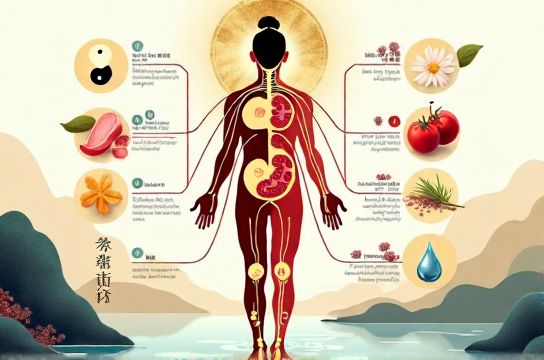
In TCM, Qi (pronounced “chee”) isn’t just mystical energy—it’s the vital force behind all bodily functions. Think of it as your body’s operating system. Without smooth Qi flow, things glitch: digestion slows, sleep suffers, and stress skyrockets. Then there’s Blood—not just the red stuff in your veins, but in TCM, it nourishes the mind and anchors the spirit. Ever feel spacey or forgetful? That might be Blood deficiency. And don’t forget Body Fluids, which lubricate joints, moisturize skin, and support organ function. Dry skin, constipation, or stiff tendons? Fluid imbalance could be the culprit.
Qi, Blood & Fluids: The Internal Support Trio
These three aren’t standalone systems—they work together like a well-oiled machine. For example, Qi moves Blood. No Qi? Stagnant Blood, which TCM links to menstrual pain or even long-term cardiovascular issues. Similarly, Qi also regulates fluid distribution. Weak Qi can lead to edema or phlegm buildup.
To help visualize how imbalances show up, here’s a quick-reference table:
| Component | Healthy Signs | Imbalance Symptoms | Common Causes |
|---|---|---|---|
| Qi | Steady energy, strong immunity | Chronic fatigue, frequent colds | Poor diet, overwork, emotional stress |
| Blood | Good memory, lustrous hair, regular periods | Dizziness, pale lips, insomnia | Blood loss, poor nutrition, chronic illness |
| Body Fluids | Moist skin, flexible joints, easy digestion | Dry mouth, constipation, joint stiffness | Dehydration, excessive heat, aging |
Now, here’s where it gets practical. How do you actually support these systems? Start with lifestyle tweaks. For boosting Qi, prioritize rest, eat warm cooked meals (yes, soups are your friend), and try gentle movement like Tai Chi or walking. To enrich Blood, load up on dark leafy greens, black sesame seeds, and animal proteins if you’re not plant-exclusive. And for Body Fluids, hydrate wisely—not just with water, but with nourishing broths and juicy fruits like pears and cucumbers.
The beauty of TCM is that it’s preventive. You don’t have to wait for a diagnosis to start nurturing your Qi, Blood, and Fluids. Small daily habits create big shifts over time. So next time you feel off, ask: Is my Qi stuck? Is my Blood thin? Are my fluids drying up? Your body will thank you.