Unveiling the Eight Extraordinary Vessels in Energy Flow
- 时间:
- 浏览:131
- 来源:TCM1st
If you're into energy healing, acupuncture, or advanced qigong practices, you've probably heard whispers about the Eight Extraordinary Vessels. But what exactly are they, and why do seasoned practitioners treat them like the holy grail of energetic balance? Let’s cut through the mysticism and break it down—using real TCM (Traditional Chinese Medicine) principles, modern interpretations, and a dash of practical insight.
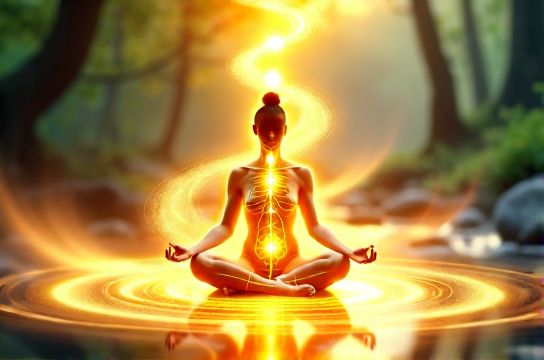
What Are the Eight Extraordinary Vessels?
Unlike the 12 regular meridians that connect organ systems, the Eight Extraordinary Vessels act as reservoirs for Qi (vital energy) and blood. Think of them as deep batteries or backup storage units that kick in when your daily energy circuits are overwhelmed. They regulate, store, and redistribute energy, especially during stress, illness, or intense spiritual practice.
The most important among them is the Du Mai (Governing Vessel), which runs along the spine, and the Ren Mai (Conception Vessel), flowing down the front midline. These two form the core of microcosmic orbit meditation in qigong. But all eight play unique roles.
The Core Eight: Functions & Pathways
Here’s a quick-reference table summarizing each vessel, its function, and key benefits:
| Vessel | Chinese Name | Primary Function | Key Benefit |
|---|---|---|---|
| Governing Vessel | Du Mai | Regulates Yang meridians, governs the back | Boosts vitality, supports spinal health |
| Conception Vessel | Ren Mai | Regulates Yin meridians, governs front body | Enhances immunity, reproductive health |
| Penetrating Vessel | Chong Mai | Sea of Blood; regulates menstruation | Hormonal balance, emotional stability |
| Belt Vessel | Dai Mai | Circumscribes the waist, binds other vessels | Improves digestion, reduces bloating |
| Yin Linking Vessel | Yin Wei Mai | Connects Yin meridians, promotes rest | Deep sleep, anxiety relief |
| Yang Linking Vessel | Yang Wei Mai | Connects Yang meridians, boosts alertness | Mental clarity, focus |
| Yin Heel Vessel | Yin Qiao Mai | Controls yin side, sleep-wake cycle | Insomnia support, calm mind |
| Yang Heel Vessel | Yang Qiao Mai | Controls yang side, motor activity | Energy for movement, alertness |
Why Should You Care?
You might be thinking, "Cool, but how does this help me?" Well, if you're dealing with chronic fatigue, hormonal swings, or stuck energy, working with these vessels—through acupuncture, targeted acupressure, or qigong exercises—can produce profound shifts. For example, stimulating the Dai Mai can relieve menstrual cramps and lower back tension, while balancing the Chong Mai may ease PMS and menopause symptoms.
Studies show that regular qigong practice increases HRV (Heart Rate Variability), a marker of nervous system resilience—likely due to deeper regulation via these extraordinary channels.
Practical Tips to Activate Them
- Microcosmic Orbit Meditation: Circulate Qi between Ren and Du Mai daily for 10–15 mins.
- Acupressure Points: Stimulate CV6 (Qihai) and GV4 (Mingmen) to tonify Ren and Du.
- Yoga & Stretching: Twists activate Dai Mai; backbends energize Du Mai.
In short, the Eight Extraordinary Vessels aren’t just esoteric concepts—they’re functional pathways backed by centuries of clinical observation. Whether you're healing, optimizing performance, or diving into spiritual growth, understanding these channels gives you a serious edge.