Learn Tongue Diagnosis for Accurate TCM Assessment
- 时间:
- 浏览:132
- 来源:TCM1st
If you've ever sat across from a Traditional Chinese Medicine (TCM) practitioner and stuck out your tongue, you might’ve wondered: Why does this matter? Well, it’s not just ritual — tongue diagnosis is one of the most powerful tools in TCM for assessing internal health. As someone who’s studied holistic diagnostics for over a decade, I can tell you: your tongue is like a real-time health dashboard.
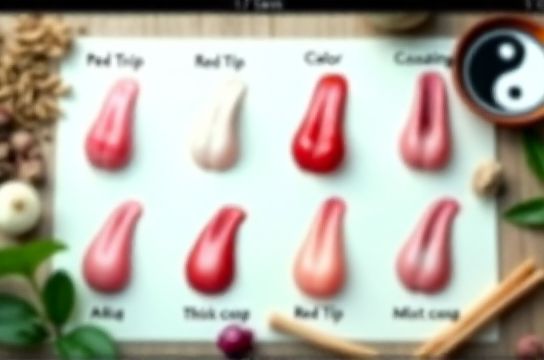
Why Tongue Diagnosis Matters in TCM
In Western medicine, we rely heavily on blood tests and scans. But in TCM, observation — especially of the tongue and pulse — reveals imbalances before symptoms escalate. The tongue reflects the state of your organs, qi (energy), blood, and fluids. A quick glance can hint at inflammation, digestive weakness, or even emotional stress.
Practitioners examine four main features:
- Color – indicates heat, cold, or deficiency
- Shape – shows fluid retention or depletion
- Coating – reveals stomach health and pathogen presence
- Movement – subtle tremors may point to liver imbalance
Decoding the Tongue: A Quick Reference Guide
Here’s a breakdown of common findings and what they mean in clinical practice:
| Tongue Feature | Observation | TCM Interpretation |
|---|---|---|
| Color | Pale | Blood or Qi deficiency |
| Color | Red | Heat or inflammation |
| Shape | Swollen with teeth marks | Spleen Qi deficiency, dampness |
| Coating | Thick yellow | Damp-heat, often digestive |
| Coating | Peeling or absent | Yin deficiency, chronic dryness |
This isn’t guesswork — studies back it up. A 2021 review in the Journal of Integrative Medicine found that tongue analysis had over 75% consistency among licensed TCM practitioners when diagnosing spleen deficiency — proving its reliability.
How to Practice tongue diagnosis at Home
You don’t need a degree to start noticing patterns. Every morning, before brushing, take a photo in natural light. Look for:
- A healthy pink color
- Thin white coating
- No cracks or significant swelling
Changes over time are more telling than one-off looks. For example, a suddenly thicker coating could signal poor digestion or a brewing cold.
One pro tip: avoid strongly colored foods (like beets or turmeric) before checking — they can stain and mislead.
When to Seek Expert Help
While self-checks are helpful, accurate TCM assessment requires context. A red tongue might mean heat, but is it from stress, infection, or hormonal shifts? That’s where a trained practitioner comes in — combining tongue signs with pulse reading and history.
Bottom line: your tongue speaks volumes. Learning to learn tongue diagnosis empowers you to catch imbalances early and engage smarter in your wellness journey.