Organ Functions According to Traditional Chinese Medicine
- 时间:
- 浏览:129
- 来源:TCM1st
If you've ever scratched your head wondering why TCM (Traditional Chinese Medicine) places so much emphasis on organ functions according to traditional Chinese medicine, you're not alone. But here’s the tea: unlike Western medicine, which sees organs as physical structures with specific jobs, TCM views them as interconnected energy systems. Let’s break it down—no PhD required.
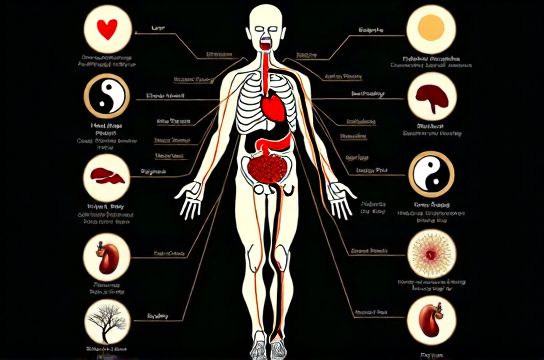
It’s All About Energy Flow
In TCM, your organs don’t just do stuff—they govern stuff. Each organ is tied to an element, emotion, time of day, and even a season. It’s like your body has its own cosmic calendar. And when one organ’s out of whack? Everything feels off.
Take the liver, for example. In Western terms, it detoxes. In TCM? It’s in charge of smooth flow—of energy (qi), blood, and even your emotions. Stressed? Angry? That’s often a liver imbalance. Same goes for waking up between 1–3 AM consistently—classic liver clock zone.
The Organ Crew: Who Does What?
To make this real, let’s look at the major players and how they roll in TCM:
| Organ | TCM Function | Associated Element | Emotion | Peak Time (24hr) |
|---|---|---|---|---|
| Liver | Stores blood, ensures smooth Qi flow | Wood | Anger | 1:00–3:00 |
| Heart | Houses the mind (Shen), circulates blood | Fire | Joy (excess) | 11:00–13:00 |
| Spleen | Digestion, transforms food into Qi | Earth | Worry | 9:00–11:00 |
| Lung | Controls Qi, respiration, skin | Metal | Grief | 3:00–5:00 |
| Kidney | Stores essence (Jing), rules water | Water | Fear | 5:00–7:00 |
See that? Your organ functions according to traditional Chinese medicine aren’t just about anatomy—they’re emotional, energetic, and deeply rhythmic. That’s why acupuncturists ask about your sleep, mood, and digestion all at once. It’s all connected.
Why This Matters in Real Life
Say you’re always tired after lunch. Western docs might shrug. But in TCM? That’s a red flag for Spleen Qi deficiency. The spleen’s peak time is 9–11 AM—if it’s weak, digestion tanks by noon. Simple fix? Eat warm, cooked meals and avoid icy drinks (yes, really).
Or consider chronic sadness. While modern medicine may point to serotonin, TCM looks to the Lungs and energy flow governed by organ systems. Grief impairs Lung Qi, which affects breathing, immunity, and even skin health.
Final Takeaway
Understanding organ functions according to traditional Chinese medicine isn’t about ditching science—it’s about expanding your toolkit. When you see fatigue, mood swings, or digestive hiccups as signals from your organ-meridian system, you gain power to respond early and naturally.
So next time you’re feeling ‘off,’ don’t just blame stress. Check the clock, reflect on the emotion, and respect the rhythm. Your organs are talking—start listening.