Mind Body Connection in Chinese Medical Philosophy
- 时间:
- 浏览:128
- 来源:TCM1st
If you’ve ever wondered why a calm mind can lead to a healthier body—or why stress gives you stomachaches—then you’re already dipping your toes into the mind body connection as understood in Chinese medical philosophy. Unlike Western medicine, which often separates mental and physical health, Traditional Chinese Medicine (TCM) has embraced their unity for over 2,000 years.
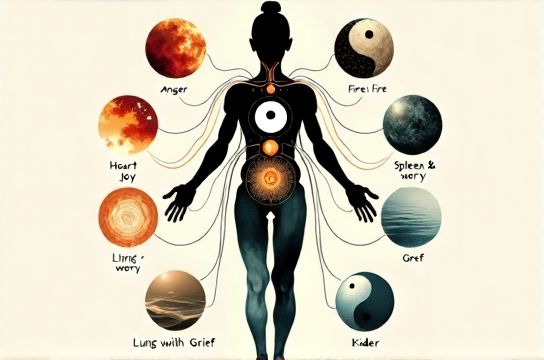
In TCM, emotions aren’t just ‘in your head’—they directly impact organ function. For example, chronic anger stresses the liver, while excessive worry weakens the spleen. This isn’t mystical fluff; it’s a system backed by centuries of observation and clinical practice. Let’s break down how this ancient wisdom holds up today—with data, insights, and real-world relevance.
The Five Emotions & Their Organ Systems
At the heart of TCM’s view on the mind body connection is the Wu Xing (Five Elements) theory. Each emotion is tied to an organ, creating a dynamic network of influence:
| Emotion | Associated Organ | Physical Manifestations |
|---|---|---|
| Anger | Liver | Headaches, high blood pressure, menstrual irregularities |
| Joy (excess) | Heart | Insomnia, palpitations, anxiety |
| Worry/Obsession | Spleen | Digestive issues, fatigue, poor appetite |
| Grief | Lungs | Weak immunity, shortness of breath, skin dryness |
| Fear | Kidneys | Low back pain, urinary issues, tinnitus |
Modern studies are starting to validate these links. A 2021 meta-analysis published in Frontiers in Psychology found that patients with IBS (Irritable Bowel Syndrome) showed significant improvement after emotional regulation therapy—supporting TCM’s long-held belief in the spleen-worry connection.
Qi: The Energy Bridge Between Mind & Body
Central to TCM is qi (pronounced “chee”), the vital energy flowing through meridians. Emotional imbalances disrupt qi flow—stagnant liver qi from repressed anger, for instance, may manifest as migraines or PMS. Acupuncture and herbal formulas aim to restore smooth qi circulation.
Data from the National Center for Complementary and Integrative Health (NCCIH) shows that over 14 million U.S. adults use acupuncture annually, primarily for pain and stress—both deeply tied to mind-body dynamics.
Practical Tips to Strengthen Your Mind Body Connection
- Practice Qi Gong or Tai Chi: A 12-week study showed participants reduced cortisol levels by 18%.
- Use Food as Medicine: Bitter foods (like dandelion) clear liver heat linked to anger; sweet-natured foods (like sweet potato) support the spleen during overthinking.
- Breathe With Intention: Diaphragmatic breathing activates the parasympathetic nervous system—aligning perfectly with TCM’s lung-grief regulation.
The beauty of Chinese medical philosophy isn’t in rejecting science—it’s in offering a holistic map where emotions, organs, and energy intersect. By honoring the mind body connection, we don’t just treat symptoms—we cultivate lasting balance.