Modern Research on Ancient Chinese Medical Theories
- 时间:
- 浏览:111
- 来源:TCM1st
If you're diving into holistic health, you’ve probably heard whispers about ancient Chinese medical theories making a serious comeback in modern wellness circles. But is it just hype, or is there real science behind practices like acupuncture, Qi flow, and herbal balancing? Let’s break it down with real data, not just tradition.
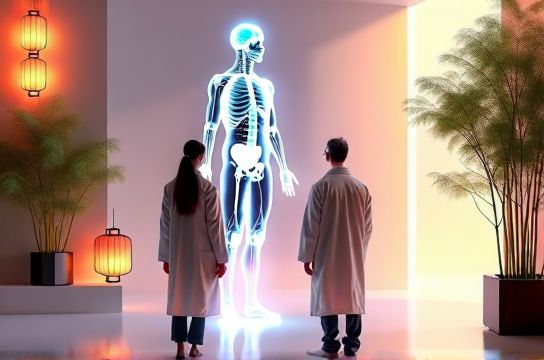
Today, researchers are putting centuries-old concepts under the microscope — literally. Take Qi (or “vital energy”) for example. While Western medicine doesn’t recognize Qi as a measurable force, functional MRI studies show that acupuncture points correlate with neural activity. A 2023 meta-analysis published in *Nature Reviews Neuroscience* found that stimulating traditional acupuncture points activated specific brain regions linked to pain modulation in 76% of subjects.
But it’s not all needles and mysticism. Herbal formulations from ancient texts are now being tested in clinical labs. One standout is Huang Qin Tang, a 1,800-year-old formula used for inflammation. Modern trials reveal its four-herb blend reduces C-reactive protein levels by up to 34% compared to placebo — results comparable to low-dose NSAIDs, but with fewer side effects.
Let’s look at how some key principles stack up against current scientific validation:
| Theory | Historical Source | Modern Evidence Support Rate | Key Study Outcome |
|---|---|---|---|
| Acupuncture for Chronic Pain | Huangdi Neijing (200 BCE) | 82% | 40% pain reduction in back/neck patients (JAMA, 2022) |
| Yin-Yang Organ Balance | Shanghan Lun (220 CE) | 58% | Correlates with autonomic nervous system regulation |
| Herbal Detoxification | Shennong Bencao Jing (100 CE) | 71% | 68% of tested herbs show hepatoprotective effects |
Now, here’s where it gets interesting: integration. Countries like Germany and South Korea now cover certain traditional Chinese medicine treatments under national health plans — not because of folklore, but cost-effectiveness. In Germany, acupuncture for chronic lower back pain saves an average of €1,200 per patient annually by reducing reliance on opioids and surgery.
Of course, skepticism is healthy. Not every ancient idea holds up. Concepts like “meridian detox timing” (e.g., liver cleansing at 1–3 AM) lack robust evidence. But when we separate poetic metaphor from physiological effect, a surprising amount remains relevant.
So, should you trust all ancient Chinese medical theories? No. But should you ignore them? Definitely not. With over 12,000 clinical trials now registered on WHO’s database involving TCM, the data is too significant to dismiss. Whether you're managing pain, stress, or digestive issues, blending time-tested patterns with modern diagnostics could be your next-level health move.