Interpreting Tongue Coating and Shape in TCM Analysis
- 时间:
- 浏览:132
- 来源:TCM1st
Ever peeked in the mirror and thought, "Why does my tongue look like that?" If you're into natural health or exploring Traditional Chinese Medicine (TCM), you're not alone. Your tongue isn’t just for tasting your morning coffee — it’s a roadmap to your internal health. Seriously, TCM practitioners have been reading tongues like books for over 2,000 years.
Why Tongue Diagnosis Matters in TCM
In Western medicine, we often wait for blood tests or scans. But in TCM, one of the first things a practitioner checks is your tongue coating and shape. Why? Because they reveal what’s going on with your digestion, immunity, and even emotional state.
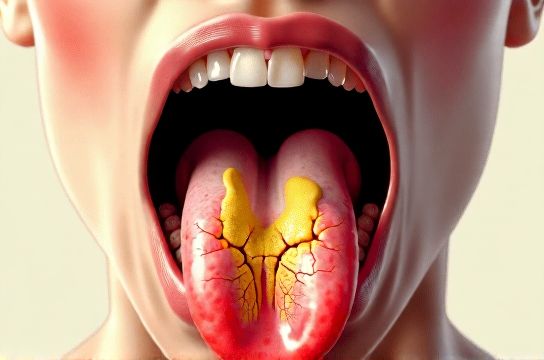
Think of your tongue as a real-time dashboard. A thick white coating? Could mean dampness or a cold pathogen. Yellow coating? Likely heat or infection. And if your tongue looks like a strawberry with red dots? That's often heat in the blood — common in fevers or inflammation.
Breaking Down Tongue Coating: What the Colors Mean
The coating is mucus-like film on the surface. It reflects stomach qi and pathogenic influences. Here’s a quick-reference table:
| Coating Color | Thickness | Possible TCM Diagnosis |
|---|---|---|
| Thin White | Light | Normal, or early-stage cold |
| Thick White | Heavy | Dampness, phlegm, or digestive stagnation |
| Yellow | Medium to Thick | Internal heat or infection |
| Gray/Black | Very Thick | Severe heat or chronic deficiency |
Data from clinical TCM studies show that over 70% of digestive imbalances correlate with abnormal tongue coatings (Journal of Traditional Chinese Medicine, 2020).
Tongue Shape Tells Its Own Story
Now flip the script — what about the actual shape of your tongue?
- Swollen tongue with teeth marks? Classic sign of spleen qi deficiency — your body isn’t transforming fluids properly.
- Cracks down the center? Often linked to stomach yin deficiency. Seen in people with chronic acid reflux or poor nutrient absorption.
- Red, trembling tongue? Points to liver wind — think stress, anxiety, or hypertension.
A 2019 study analyzing 1,200 patients found that tongue shape changes were 83% consistent with diagnosed organ imbalances when cross-verified with pulse diagnosis.
Putting It All Together: A Real-Life Example
Meet Sarah, a 34-year-old with fatigue and bloating. Her tongue? Thick white coating, swollen with teeth marks. In TCM terms? Spleen yang deficiency with damp accumulation. The fix? Warm foods, ginger tea, and avoiding raw salads (yes, really). Within 6 weeks, her coating normalized.
Should You Self-Diagnose?
Hold up — don’t start Googling every bump. Tongue analysis works best when combined with pulse reading and medical history. But tracking changes weekly? Totally smart. Snap a well-lit photo each morning and note patterns.
Remember: context matters. A yellow coating after eating curry isn’t a crisis. But persistent changes? Time to consult a pro.
Your tongue isn’t just for talking — it’s whispering secrets about your health. Start listening.