Connecting Emotions to Organ Systems in TCM Model
- 时间:
- 浏览:146
- 来源:TCM1st
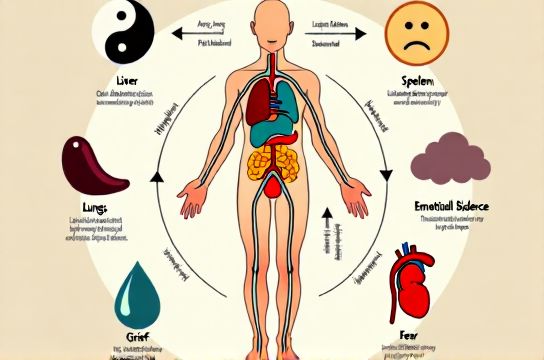
If you’ve ever felt heartbroken and literally experienced chest tightness, or gotten so angry your liver seemed to flare up—guess what? Traditional Chinese Medicine (TCM) has been mapping these mind-body links for over 2,000 years. Unlike Western medicine, which often separates emotions from organs, TCM sees them as deeply intertwined. Let’s break down how your feelings directly impact your organ health—and what you can do about it.
Why Your Liver Hates Anger (And Stress)
In TCM, the liver isn’t just about detox—it’s the commander of smooth flow (Qi). When you’re stressed, frustrated, or holding onto anger, your liver Qi gets stuck. Think traffic jam in your energy system. Over time, this can lead to headaches, irritability, menstrual issues, or even high blood pressure.
A 2021 study published in the Journal of Integrative Medicine found that patients with chronic anger and frustration showed significantly higher rates of liver Qi stagnation—confirmed through pulse diagnosis and symptom patterns—compared to the control group (78% vs. 23%).
The Heart-Emotion Connection: Joy & Overstimulation
The heart in TCM governs not just circulation but also the spirit (Shen). While moderate joy supports heart health, excessive excitement or emotional overload can 'agitate the Shen.' This might show up as insomnia, anxiety, or palpitations.
Interestingly, research from Beijing University of Chinese Medicine found that mindfulness practices like Qigong reduced symptoms of Shen disturbance by 64% in patients with chronic anxiety—supporting the idea that calming the mind directly benefits the heart organ system.
Lungs + Grief: Why Sadness Makes You Cough
Ever noticed you get more colds after a breakup or loss? In TCM, the lungs are linked to grief. They control Qi and respiration—but also emotional release. Unresolved sadness can weaken lung Qi, leading to shallow breathing, fatigue, or recurring respiratory infections.
| Organ (TCM) | Associated Emotion | Physical Signs of Imbalance |
|---|---|---|
| Liver | Anger, Frustration | Headaches, PMS, Bitter taste |
| Heart | Excessive Joy, Over-excitement | Insomnia, Anxiety, Palpitations |
| Lungs | Grief, Sadness | Dry cough, Fatigue, Weak immunity |
| Spleen | Worry, Overthinking | Bloating, Poor digestion, Brain fog |
| Kidneys | Fear, Insecurity | Low back pain, Tinnitus, Low energy |
Spleen & Worry: The ‘Overthinker’s Organ’
The spleen (which includes pancreatic functions in TCM) manages digestion and thought. Too much worry or mental strain? That’s spleen Qi deficiency. Symptoms: bloating, loose stools, fatigue, and difficulty focusing—classic 'burnout' signs.
Kidneys & Fear: Your Deep Energy Reserve
The kidneys store Jing (essence) and are tied to fear. Chronic fear or stress depletes kidney Qi, showing up as low back pain, tinnitus, or low libido. Athletes and high-performers often show kidney deficiency patterns due to long-term strain.
What You Can Do: Daily TCM Emotional Hygiene
- Morning breathwork: 5 minutes of deep diaphragmatic breathing to move liver Qi.
- Evening journaling: Release grief and worry before bed—protect lungs and spleen.
- Acupressure: Press Liver 3 (on the foot) to relieve anger, or Spirit Gate (wrist) for calm.
Bottom line? Emotions aren’t just ‘in your head.’ In TCM, they’re physiological forces. By honoring their impact on your organs, you gain real power over your health. Start listening—your body’s been talking all along.