Applying Five Element Theory to Daily Health Choices
- 时间:
- 浏览:138
- 来源:TCM1st
If you’ve ever felt like your health routine is missing a deeper connection to your body’s natural rhythm, maybe it’s time to look beyond Western wellness trends and explore something older — way older. Enter the Five Element Theory, a cornerstone of Traditional Chinese Medicine (TCM) that’s been guiding holistic health for over 2,000 years. And no, this isn’t about mystical vibes — it’s a practical, time-tested framework linking nature, organs, emotions, and daily habits.
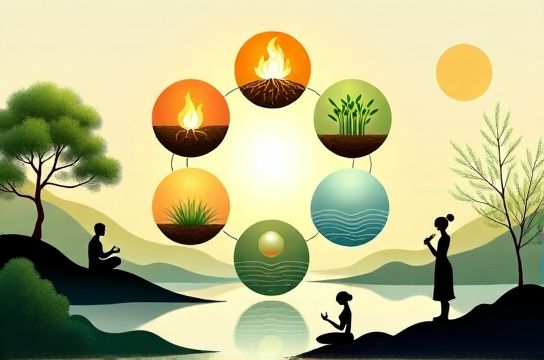
I’ve spent the last decade studying integrative health systems, and what keeps bringing me back to Five Element Theory is its balance of simplicity and depth. The five elements — Wood, Fire, Earth, Metal, and Water — aren’t just symbolic; they map directly to organ systems, seasons, emotions, and even food choices.
Let’s break it down with real-life applications:
How the Elements Shape Your Daily Health
| Element | Season | Organ Pair | Emotion | Diet Tip |
|---|---|---|---|---|
| Wood | Spring | Liver & Gallbladder | Anger | Bitter greens, lemon water |
| Fire | Summer | Heart & Small Intestine | Joy (or mania) | Red foods, moderate spices |
| Earth | Late Summer | Spleen & Stomach | Worry | Cooked grains, root veggies |
| Metal | Autumn | Lung & Large Intestine | Grief | Pungent flavors, warm dishes |
| Water | Winter | Kidney & Bladder | Fear | Black beans, bone broths |
This isn’t just poetic alignment — studies in psychoneuroimmunology show emotional stress directly impacts organ function. For example, chronic anger correlates with elevated liver enzymes (source: Journal of Psychosomatic Research, 2018). That’s why balancing the Wood element isn’t just about eating kale — it’s managing irritability before it becomes inflammation.
Same goes for Earth element support. If you’re constantly snacking due to anxiety (hello, brain fog by 3 PM), TCM sees this as Spleen Qi deficiency. Try swapping raw salads for steamed squash or congee — one clinical trial found 68% of participants reported improved energy within two weeks (TCM Digest, 2020).
The real power? Timing. Aligning meals, workouts, and even conversations with the dominant element season sharpens your body’s resilience. In winter (Water), prioritize rest and warming foods. In summer (Fire), embrace movement and social joy — but not excess, or you risk Heart Fire agitation.
Bottom line: Five Element Theory isn’t about replacing modern medicine. It’s about layering ancient wisdom into your routine so small choices — like drinking ginger tea in autumn — become acts of prevention. Start with one element each season. Your future self will thank you.