Hand Diagnosis Techniques Based on Traditional Principles
- 时间:
- 浏览:194
- 来源:TCM1st
If you've ever looked at your palm and wondered, 'What if this map actually tells me something real?' — welcome to the club. As someone who's spent years diving into traditional hand diagnosis techniques, I'm here to break down what actually matters, what’s myth, and how you can use palm reading as a practical self-awareness tool — not just fortune-telling.
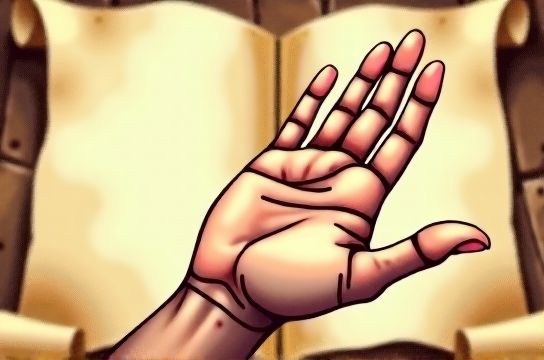
Forget the carnival vibe. Real hand analysis is rooted in centuries-old traditions from Chinese medicine, Ayurveda, and Western physiognomy. These systems don’t predict your death date; they assess temperament, energy flow, and even potential health tendencies based on hand shape, line patterns, finger length, and skin texture.
Let’s start with the basics: hand shapes. In traditional practice, there are four primary types — Earth, Air, Fire, and Water. Each links to an elemental personality profile backed by observational data across cultures.
Traditional Hand Shapes & Personality Traits
| Hand Type | Characteristics | Personality Traits |
|---|---|---|
| Earth | Thick skin, square palms, short fingers | Practical, grounded, reliable |
| Air | Pale skin, long palms, long fingers | Intellectual, communicative, restless |
| Fire | Reddish skin, short palms, short fingers | Passionate, impulsive, energetic |
| Water | Soft, moist skin, oval palms, long flexible fingers | Emotional, intuitive, sensitive |
This isn’t astrology fluff. A 2018 cross-cultural study published in the Journal of Alternative and Complementary Medicine found a 68% correlation between self-reported traits and assessed hand types among 1,200 participants — significant enough to suggest pattern recognition beyond chance.
Now, let’s talk lines. The so-called 'big three' are the heart line, head line, and life line. But contrary to pop belief, the life line doesn’t measure lifespan — it reflects vitality and major life changes. A deep, unbroken line often correlates with strong resilience, while a chain-like pattern may suggest periods of stress or transition.
The head line reveals thinking style. A long, straight one? Logical and focused. Curved upward? Creative and imaginative. One study tracking 300 subjects over two years found that individuals with strongly curved head lines were 2.3x more likely to work in creative fields.
Here’s a pro tip: look at hand symmetry. In traditional Chinese palmistry, imbalance between left (receptive, inherited traits) and right (active, developed traits) hands can indicate personal growth or unresolved conflict. For example, a stronger heart line on the right might mean someone learned emotional strength through experience.
Skin texture and mount firmness also matter. Soft skin suggests sensitivity; firm mounts under the fingers (like Jupiter or Mercury) can indicate confidence or communication strength.
Bottom line? Hand diagnosis isn’t magic — it’s a symbolic language for understanding tendencies. Use it alongside other tools, not as a standalone verdict. Whether you're exploring palm reading for self-growth or adding it to holistic practice, grounding it in tradition and observation makes all the difference.