Introduction to Syndrome Differentiation in Chinese Medicine
- 时间:
- 浏览:185
- 来源:TCM1st
If you've ever scratched your head trying to make sense of why two people with the same Western diagnosis—say, chronic fatigue—get totally different treatments in Traditional Chinese Medicine (TCM), here's the secret: syndrome differentiation. It’s not just about symptoms; it’s about patterns.
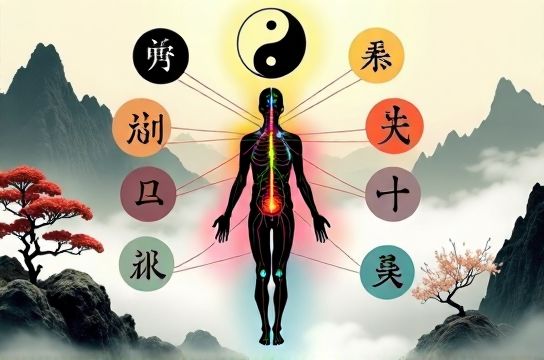
Unlike Western medicine, which often targets disease labels, TCM digs deeper into *how* illness shows up in your body. This process is called Bian Zheng (辨证), or syndrome differentiation. Think of it like a detective piecing together clues—your pulse, tongue, emotions, sleep, even how you sweat—to uncover the root pattern behind your discomfort.
Why One Symptom, Many Causes?
In TCM, a single symptom like insomnia can stem from multiple imbalances. For example:
- Liver Fire Rising: You’re irritable, wake up at 2 a.m., and have red eyes.
- Heart and Spleen Deficiency: You’re tired, forgetful, and fall asleep easily but wake frequently.
- Yin Deficiency with Empty Heat: You feel hot at night, have dry mouth, and struggle to fall asleep.
Same symptom—different syndromes—totally different treatments. That’s the power of syndrome differentiation in Chinese medicine.
The Four Diagnostic Methods
Before any treatment, a TCM practitioner uses four key methods:
- Wen Zhen (Inquiry): Detailed questions about digestion, energy, emotions.
- Wang Zhen (Observation): Tongue shape, color, coating.
- Wen Zhen (Listening/Smelling): Voice tone, breath odor.
- Qie Zhen (Palpation): Pulse quality at three positions on each wrist.
These aren’t random checks—they form a cohesive diagnostic web. For instance, a red tongue with yellow coating plus a rapid pulse strongly suggests heat in the body.
Common Syndrome Types Compared
To help you see the differences clearly, here’s a breakdown of three common patterns causing fatigue:
| Syndrome Type | Key Symptoms | Tongue | Pulse | Root Cause |
|---|---|---|---|---|
| Spleen Qi Deficiency | Heavy limbs, bloating, poor appetite | Pale, swollen, teeth marks | Weak, slow | Diet & overthinking |
| Kidney Yang Deficiency | Cold limbs, low back pain, frequent urination | Pale, wet, swollen | Deep, slow, weak | Aging, overwork, cold exposure |
| Qi and Blood Stagnation | Sharp pain, mood swings, dark menstrual blood | Purple spots, dark veins under tongue | Choppy, tight | Emotional stress, trauma |
This kind of detailed analysis is why personalized herbal formulas and acupuncture plans actually work—they’re tailored to *your* pattern, not a one-size-fits-all label.
Why This Matters for Modern Health
With rising interest in holistic and preventive care, syndrome differentiation offers a powerful framework. A 2022 study published in the Journal of Integrative Medicine found that patients receiving TCM treatments based on accurate pattern diagnosis reported 68% greater symptom improvement than those on generic protocols.
So whether you're exploring alternatives for chronic issues or just curious about Eastern healing, understanding syndrome differentiation is your first real step toward personalized wellness.