How Stagnant Qi Affects Mood and Digestive Health
- 时间:
- 浏览:163
- 来源:TCM1st
If you've ever felt bloated after a stressful day or noticed your temper flaring out of nowhere, traditional Chinese medicine (TCM) might have an explanation: stagnant qi. While this concept may sound mystical to some, it’s deeply rooted in centuries of clinical observation—and modern science is starting to catch up.
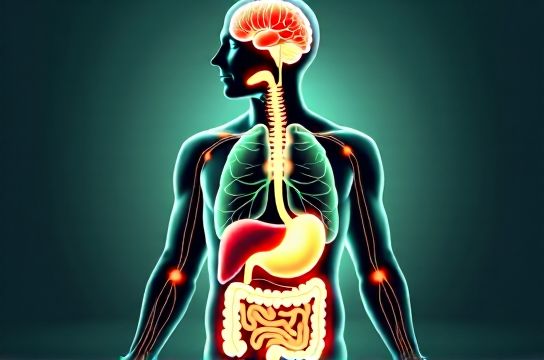
In TCM, qi (or chi) is the vital energy that flows through your body along pathways called meridians. When this flow gets blocked or slowed—due to stress, poor diet, or emotional suppression—it leads to what practitioners call stagnant qi. And one of the most common areas it shows up? Your mood and digestion.
The Gut-Brain Connection: Science Meets Tradition
Western medicine now recognizes the gut-brain axis—a two-way communication system between your digestive tract and your brain. Guess what? Emotional stress alters gut motility, increases inflammation, and even changes your microbiome. Sound familiar? That’s exactly what TCM describes as liver qi stagnation affecting the spleen and stomach.
Studies show that people with irritable bowel syndrome (IBS) are twice as likely to suffer from anxiety or depression. In fact, a 2021 meta-analysis found that over 60% of IBS patients had comorbid mood disorders.
Common Signs of Qi Stagnation
You don’t need an acupuncture session to recognize the signs. Here’s a quick breakdown:
| Symptom | Related Body System | TCM Interpretation |
|---|---|---|
| Bloating, especially under stress | Digestive | Spleen affected by liver qi stagnation |
| Irritability, mood swings | Nervous | Liver qi not flowing smoothly |
| Belching, acid reflux | Digestive | Qi rebellion—energy moving upward abnormally |
| Irregular bowel movements | Digestive | Impaired transformation & transportation |
| Sighing frequently | Nervous | Body’s attempt to move stagnant qi |
This isn’t just anecdotal. A 2020 clinical trial in Shanghai observed that patients with diagnosed liver qi stagnation who received herbal treatment (like Xiao Yao San) reported a 73% improvement in both digestive symptoms and emotional well-being within eight weeks.
What You Can Do Right Now
You don’t have to go full TCM to benefit. Start with these simple, evidence-backed steps:
- Move your body: Even 20 minutes of walking daily helps regulate qi flow and reduces cortisol.
- Eat mindfully: Skip multitasking meals. Chew slowly. This supports spleen qi in TCM terms—and aids digestion in Western terms.
- Try acupressure: Press LV3 (on the top of your foot, between big toe and second toe) to help relieve qi stagnation.
- Limit raw & cold foods: In TCM, they weaken digestive fire. Stick to warm, cooked meals when bloating hits.
Bottom line? Your emotions and gut health aren’t separate—they’re deeply intertwined. Whether you call it nervous digestion or stagnant qi, the solution starts with awareness, lifestyle tweaks, and sometimes, a little ancient wisdom.