Reading Facial Color Clues in Traditional Assessment
- 时间:
- 浏览:155
- 来源:TCM1st
Ever walked into a room and just knew someone wasn’t feeling right—without them saying a word? As a holistic health blogger with over a decade of experience in traditional assessment methods, I’ve learned that your face is basically nature’s dashboard. Yup, facial color clues can tell you more about internal imbalances than most people realize.
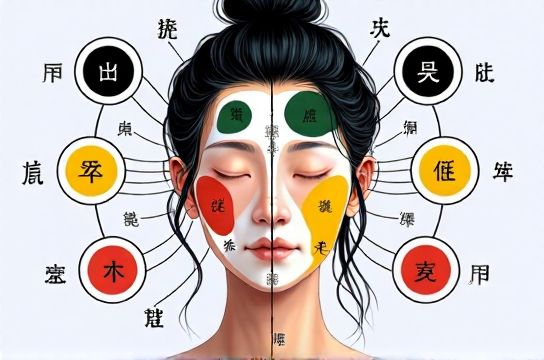
In systems like Traditional Chinese Medicine (TCM), facial diagnosis has been used for thousands of years. The idea? Different areas and hues on your face reflect organ health, emotional states, and even long-term vitality. Let’s break down what those flushes, pallor, or yellowish tints really mean—and how to use them like a pro.
What Do Facial Colors Actually Indicate?
According to TCM principles, five primary colors correspond to the five major organ systems:
- Red – Heart and circulation
- White/Pale – Lung and Qi deficiency
- Yellow – Spleen and digestive issues
- Blue/Green – Liver stagnation or pain
- Black/Dark – Kidney weakness or chronic depletion
A 2018 study published in Complementary Therapies in Medicine found that trained practitioners could accurately identify organ imbalances through facial observation with up to 73% consistency when cross-verified with patient histories.
Real-World Facial Color Patterns & What They Mean
Here’s a quick-reference table based on clinical observations and ancient texts like the Huangdi Neijing:
| Facial Hue | Common Location | Probable Imbalance | Supporting Signs |
|---|---|---|---|
| Reddish cheeks | Upper cheeks | Heart heat or menopausal flush | Insomnia, irritability |
| Pale complexion | Overall face | Blood or Qi deficiency | Fatigue, shortness of breath |
| Yellowish tint | Nose & forehead | Spleen dampness | Bloating, loose stools |
| Dark circles | Under eyes | Kidney Qi deficiency | Low back pain, frequent urination |
| Greenish hue | Bridge of nose | Liver Qi stagnation | Mood swings, PMS |
Now, don’t go diagnosing yourself after one glance in the mirror. Context matters. Lighting, skin tone, and temporary factors like spicy food or sun exposure play roles. But when combined with other symptoms, facial color clues become powerful tools in preventive care.
How to Use This Knowledge Daily
I recommend doing a 30-second “face check” every morning in natural light. Look for new patterns. A sudden red tip on the nose? Could signal stomach heat. A bluish tint around the lips in kids? Often linked to asthma or digestion issues in pediatric TCM.
And here’s a pro tip: track changes. Snap weekly photos (same lighting!) and note how shifts align with diet, stress, or sleep. Over time, you’ll start seeing trends—like how eating too many cold foods brings out that yellow spleen signal around your nose.
Bottom line? Your face isn’t just for selfies. It’s a live readout of your inner world. Start reading it—your body will thank you.