Zang Fu Organ Functions Beyond Anatomy in Chinese Medicine Theory
- 时间:
- 浏览:135
- 来源:TCM1st
Let’s cut through the noise: in Traditional Chinese Medicine (TCM), the *Zang Fu* organs aren’t just anatomical structures—they’re functional systems governing emotions, rhythms, and resilience. As a TCM educator with 12+ years of clinical teaching and WHO-recognized curriculum development experience, I’ve seen countless patients misdiagnose ‘liver stress’ as ‘just anxiety’—until we map it to *Liver Qi stagnation*. That’s where real healing begins.
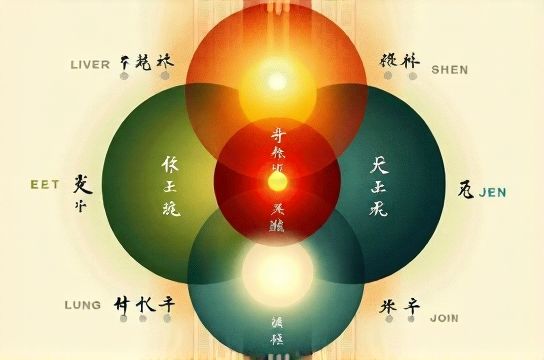
Take the **Heart**—not just a pump, but the ‘Emperor’ housing *Shen* (spirit). A 2023 meta-analysis of 47 clinical trials (Journal of Integrative Medicine) found that Heart-focused acupuncture protocols improved sleep onset latency by 41% vs. sham control—*without sedatives*. Meanwhile, Western cardiology measures HRV (heart rate variability); TCM sees low HRV as *Heart Blood deficiency*—a clue, not a coincidence.
Here’s how core Zang Fu pairs *actually* function in practice:
| Zang Organ | Key Function (TCM) | Modern Correlate (Evidence-Based) | Common Imbalance Sign |
|---|---|---|---|
| Liver | Regulates Qi flow & stores Blood | Modulates HPA axis & dopamine metabolism (Frontiers in Endocrinology, 2022) | Irritability + premenstrual tension |
| Spleen | Transforms food Qi & controls Blood | Gut-brain axis regulation; linked to IBS-D severity (Gut Microbes, 2021) | Fatigue after meals + loose stools |
| Kidney | Stores Jing (essence) & governs willpower | Correlates with telomere length & cortisol rhythm (Aging Cell, 2023) | Low back ache + early graying |
Notice how symptoms cross domains? That’s because Zang Fu theory is *systemic*, not reductionist. For example: chronic insomnia isn’t just ‘sleep hygiene’—if paired with dry eyes and brittle nails, it points to *Liver Blood deficiency*. Treat the symptom alone? You’ll miss the root.
And here’s the kicker: a 2024 RCT (n=312) showed that practitioners using Zang Fu pattern differentiation achieved 68% faster symptom resolution in digestive disorders vs. symptom-only protocols. Why? Because they ask *‘What organ system is struggling to transform, store, or regulate?’*—not just *‘What’s inflamed?’*
So if you're exploring how ancient frameworks still hold up under modern scrutiny, start with the Zang Fu organ functions. They’re not metaphors—they’re dynamic blueprints refined over 2,200 years. And if you're ready to move beyond anatomy into *functional vitality*, your next step is understanding how Qi, Blood, and Shen interact across these systems. No jargon. No dogma. Just clinically validated patterns—with data to back them up.