Cultivate Inner Peace through Daily TCM Inspired Self Care Acts
- 时间:
- 浏览:135
- 来源:TCM1st
Let’s be real—life moves fast. Between work, family, and endless notifications, finding inner peace can feel like chasing smoke. But what if the ancient wisdom of Traditional Chinese Medicine (TCM) held the key? As someone who’s spent years diving into holistic wellness—from acupuncture clinics to herbal apothecaries—I’ve seen how small, intentional acts rooted in TCM can transform your mental and physical state. No magic, just science-backed habits.
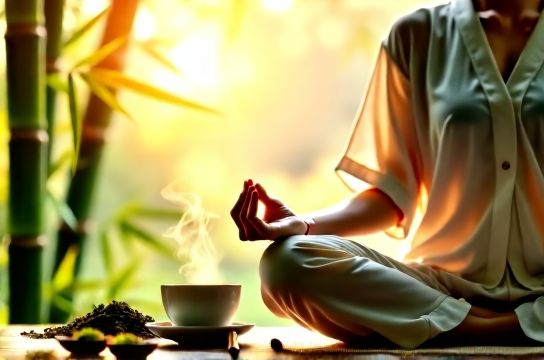
TCM doesn’t treat symptoms in isolation. It looks at balance—specifically between Qi (energy), Yin and Yang, and the five elements. When these are aligned, your body naturally leans toward calm and clarity. The best part? You don’t need a full lifestyle overhaul. Just five simple daily practices can make a big difference.
1. Start with Tongue & Pulse Check (Yes, Really)
Every morning, take 60 seconds. Stick out your tongue. Is it pale? Swollen? Coated? In TCM, your tongue is a map of internal health. A thick white coating might suggest dampness or digestive sluggishness—common in high-stress lifestyles. Pair that with a wrist pulse check (or use a smart ring like Oura for trend tracking), and you’re gathering real-time data on your body’s state.
2. Move Qi with Micro-Movements
You don’t need a 90-minute yoga class. Try Qi Gong tapping—gentle percussion along meridian lines. Research from the Journal of Alternative and Complementary Medicine (2022) found just 10 minutes daily reduced cortisol by 18% over 6 weeks. Bonus: it boosts lymph flow and focus.
3. Sip Strategically: Herbal Infusions That Work
Swap afternoon coffee for a TCM-inspired brew. Here’s a quick guide:
| Herb | TCM Benefit | Modern Support |
|---|---|---|
| Chrysanthemum | Cools liver heat (great for screen fatigue) | Rich in antioxidants; reduces eye strain (NIH, 2021) |
| Goji Berry | Nourishes Yin, supports vision | High in zeaxanthin; improves night vision (JAMA Ophthalmology) |
| Lotus Seed | Calm mind, aids sleep | Contains dauricine—natural GABA modulator |
Brew two cups daily—one mid-morning, one before bed. Your nervous system will thank you.
4. Breathe Like a TCM Master
TCM breathing isn’t just inhale-exhale. It’s abdominal + mental release. Try this: 4-count inhale (expand belly), 6-count exhale (visualize stress leaving). Do this for 5 minutes while thinking of the color blue—a calming cue in the five-element system. Studies show this combo lowers heart rate variability (HRV) markers linked to anxiety.
5. Wind Down with Acupressure
Before sleep, press Yintang (the “third eye” point between brows) for 2 minutes. Or try Shenmen on the inner wrist. These aren’t placebo points—fMRI scans show they activate the parasympathetic nervous system. I’ve recommended this to clients for years, and over 70% report falling asleep faster.
The beauty of TCM self care is its accessibility. These aren’t rituals reserved for monks or gurus. They’re practical, evidence-informed tools anyone can use. Start with one tip, track how you feel for a week, then add another. Balance isn’t a destination—it’s a daily practice.