Fuel Naturally with the Power of a True TCM Diet Framework
- 时间:
- 浏览:139
- 来源:TCM1st
If you’ve been chasing energy, better digestion, and long-term wellness through trendy diets—keto, paleo, or intermittent fasting—you might be missing a deeper truth: real balance comes from working with your body, not against it. That’s where a true TCM diet framework steps in—not as another fad, but as a 3,000-year-old system rooted in observation, pattern recognition, and natural harmony.
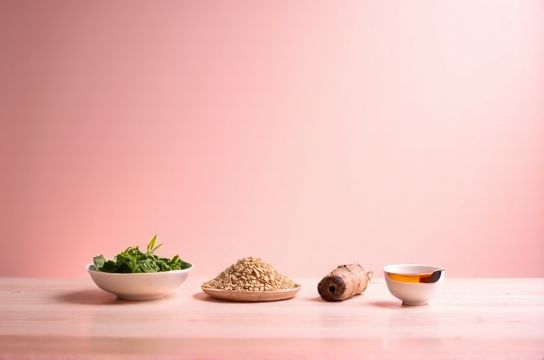
I’ve spent over a decade studying holistic nutrition, comparing Western macros to Eastern energetics, and one thing is clear: Traditional Chinese Medicine (TCM) diet principles offer something modern plans don’t—personalization based on your unique constitution.
Why TCM Nutrition Outshines One-Size-Fits-All Diets
Western diets often focus on calories, macronutrients, or food exclusions. TCM? It looks at food as medicine—each bite either cooling, warming, drying, or moistening. Your ideal meal isn’t based on Instagram trends, but on whether you run hot, get bloated easily, or feel sluggish after raw salads.
Take this real-world example: Two people complain of fatigue. One thrives on warm congee with ginger and root vegetables (warming foods). The other feels lighter with steamed greens, mung beans, and barley (cooling foods). Same symptom, opposite solutions—because TCM treats the pattern, not just the symptom.
The Core of a Real TCM Diet Framework
At its heart, the TCM diet is built on three pillars:
- Thermal Nature: Is the food warming, cooling, or neutral?
- Taste & Organ Link: Sweet foods nourish the spleen; bitter supports the heart.
- Seasonal Alignment: Eat locally and rhythmically with nature’s cycles.
Here’s a quick-reference table of common foods and their TCM properties:
| Food | TCM Thermal Nature | Primary Taste | Supports Organ |
|---|---|---|---|
| Ginger | Warming | Pungent | Spleen, Stomach |
| Cucumber | Cooling | Sweet | Stomach, Small Intestine |
| Quinoa | Neutral | Sweet | Spleen, Kidney |
| Miso Soup | Warming | Salty | Kidney |
| Apple (cooked) | Neutral | Sweet/Sour | Lung, Spleen |
Notice how cooking changes things? Raw apples are cooling, but cooked? Neutral—and easier on digestion. This is why TCM practitioners often tell clients to avoid excessive raw foods if they have weak Spleen Qi.
How to Apply This Daily
You don’t need to memorize every food’s property. Start here:
- Assess your body type: Do you feel cold often? You likely need more warming foods. Prone to acne or irritability? Cooling foods may help.
- Match food to season: Summer calls for cooling cucumber and watermelon; winter demands soups and root veggies.
- Chew slowly: In TCM, the Spleen governs digestion—rushing meals damages this vital function.
And remember: TCM nutrition isn’t about perfection. It’s about awareness. One client switched from daily smoothies (cold, raw) to warm oatmeal with cinnamon (warming, sweet) and saw her bloating vanish in a week.
So before you buy into the next diet craze, ask: Does it honor my body’s signals? Or am I forcing it to fit a mold? With a real TCM diet framework, you’re not restricting—you’re aligning.