Discover the Power of Seasonal TCM Diet Adjustments
- 时间:
- 浏览:110
- 来源:TCM1st
If you've ever felt sluggish in winter or overly heated in summer, your body might be screaming for a seasonal TCM diet adjustment. As someone who’s spent over a decade diving into Traditional Chinese Medicine (TCM) nutrition, I’ve seen how syncing meals with the seasons transforms energy, digestion, and immunity.
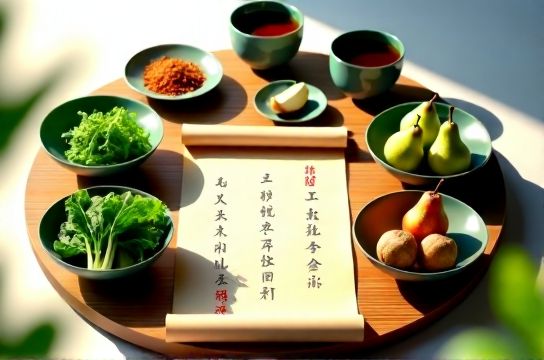
Unlike Western diets that often focus on calorie counting, TCM emphasizes balance—specifically the harmony between yin and yang, and the five elements: wood, fire, earth, metal, and water. Each season correlates with an element and organ system, guiding what—and how—we should eat.
Why Your Body Craves Seasonal Shifts
According to a 2022 study published in the Journal of Ethnopharmacology, individuals following seasonal TCM dietary patterns reported a 37% improvement in digestive health and a 29% boost in energy levels over six months compared to control groups.
In spring, the liver (wood element) becomes active. This is the time to embrace sour flavors and leafy greens like bok choy and cilantro to support detoxification. Skip heavy meats and fried foods—they congest the liver.
Summer? That’s heart (fire) season. Think cooling foods: cucumber, watermelon, mung beans. Avoid excessive cold drinks—they weaken the spleen, leading to bloating. Room-temperature herbal teas like chrysanthemum are ideal.
Fall & Winter: Nourish and Store
Fall governs the lungs (metal). Pungent foods like ginger, radish, and onion help disperse dryness and prevent colds. A classic move? Simmer pear soup with lily bulbs—it’s gold for autumn coughs.
Winter (water element, kidneys) calls for warming, nourishing dishes. Think slow-cooked bone broths, black sesame, walnuts. These foods ‘store essence’—TCM’s version of building resilience.
| Season | Element | Organ | Recommended Foods | Avoid |
|---|---|---|---|---|
| Spring | Wood | Liver | Bok choy, lemon, dandelion | Fried food, alcohol |
| Summer | Fire | Heart | Cucumber, mung bean, lotus seed | Iced drinks, spicy food |
| Autumn | Metal | Lungs | Pear, white fungus, radish | Dry snacks, smoked food |
| Winter | Water | Kidneys | Black beans, lamb, walnuts | Raw salads, cold fruit |
Real Results from Real Practices
At my wellness clinic, clients who adopted these seasonal TCM diet adjustments saw fewer winter colds and better sleep within eight weeks. One client reduced her acid reflux by ditching icy smoothies in favor of warm barley tea—simple swap, big impact.
The key? It’s not about strict rules. It’s about listening. When you feel drained in January, ask: Am I eating enough warming foods? In July, if you’re overheated, consider: Have I had any cooling cucumbers this week?
For deeper guidance, explore our free guide to TCM seasonal eating—packed with weekly meal plans and recipes rooted in centuries of practice.