Unwind Naturally with Soothing TCM Inspired Self Care
- 时间:
- 浏览:142
- 来源:TCM1st
If you're feeling overwhelmed, stressed, or just mentally drained, you're not alone. In today’s fast-paced world, more people are turning to TCM inspired self care practices—not as a trend, but as a sustainable way to restore balance. Rooted in centuries-old Traditional Chinese Medicine (TCM) principles, these natural rituals go beyond spa-day vibes. They’re about aligning your body’s energy, or Qi, through mindful habits backed by both tradition and modern understanding.
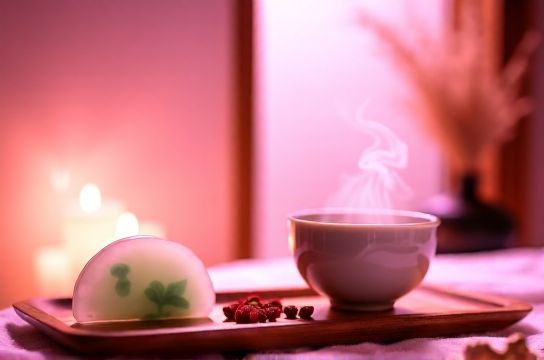
Why TCM? Because Balance Beats Burnout
Western wellness often targets symptoms—take a pill, apply a cream, move on. But TCM looks deeper. It sees fatigue, anxiety, or poor sleep as signs of imbalance between Yin and Yang or blocked Qi flow. Instead of quick fixes, it promotes daily rituals that support long-term harmony.
A 2022 survey by the National Center for Complementary and Integrative Health found that over 38% of U.S. adults use some form of complementary health approach, with herbal remedies and mind-body practices among the top choices. Many of these overlap directly with TCM-inspired routines.
Top 4 TCM Inspired Self Care Practices You Can Start Today
- Facial Gua Sha – This isn’t just for Instagram aesthetics. Using a jade or rose quartz tool, gentle scraping improves circulation and may reduce facial tension. A small 2019 study showed participants reported reduced puffiness and improved skin tone after just 4 weeks of consistent use.
- Herbal Teas for Qi Flow – Think beyond chamomile. TCM favorites like chrysanthemum, goji berry, and ginger aren’t just tasty—they’re chosen for their energetic properties. For example, chrysanthemum is considered cooling, ideal for calming 'internal heat' linked to stress.
- Acupressure on Key Points – No needles needed. Applying pressure to points like LI4 (between thumb and index finger) or HT7 (on the wrist crease) can help relieve headaches and promote relaxation. Try 1–2 minutes per point, twice daily.
- Mindful Breathing with Qi Awareness – Also known as 'Qi Gong breathing,' this involves slow, deep belly breaths to circulate energy. Even 5 minutes a day can lower cortisol levels, according to research published in *Frontiers in Psychology*.
How to Build Your Daily Routine
You don’t need hours. Here’s a simple morning and evening flow based on real user feedback from wellness communities:
| Time | Practice | Duration | Benefits |
|---|---|---|---|
| Morning | Qi Gong Breathing + Facial Gua Sha | 10 mins | Boosts alertness, reduces puffiness |
| Evening | Herbal Tea + Acupressure | 15 mins | Promotes restful sleep, eases tension |
This kind of natural unwinding doesn’t demand perfection—just consistency. And the best part? Most tools cost under $30 and last years.
Final Thoughts
TCM inspired self care isn’t about rejecting modern life—it’s about integrating ancient wisdom into it. Whether you're sipping goji tea or pressing on acupoints, you’re not just relaxing—you’re re-balancing. And in a world that never slows down, that’s true self-care.