Use TCM Insights for Stronger Preventive Health Results
- 时间:
- 浏览:104
- 来源:TCM1st
If you're looking to boost your preventive health game, it might be time to look beyond Western medicine and tap into the ancient wisdom of Traditional Chinese Medicine (TCM). As someone who’s spent years analyzing holistic health systems, I’ve seen firsthand how integrating TCM principles can lead to stronger immunity, better energy flow, and fewer sick days.
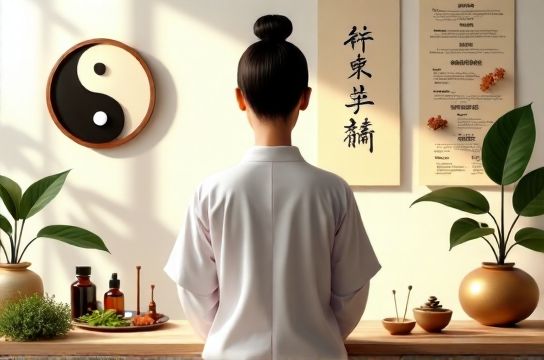
Unlike symptom-focused approaches, TCM emphasizes balance—especially between yin and yang—and the smooth flow of qi (vital energy). According to a 2022 report by the World Health Organization, over 1.5 billion people globally use some form of traditional medicine, with TCM being one of the most widely practiced.
So how can you apply TCM in everyday preventive care? Let’s break it down with real insights and data.
Key TCM Practices That Support Prevention
TCM isn’t just about acupuncture or herbal tea—it’s a full system focused on catching imbalances before they become illness. Here are four evidence-backed practices:
- Diet according to body constitution: In TCM, food is medicine. For example, someone with a "cold" constitution might eat warming foods like ginger and lamb, while a "hot" type avoids spicy dishes.
- Acupuncture for immune modulation: A 2021 meta-analysis in Frontiers in Immunology found regular acupuncture sessions increased white blood cell counts by up to 18% in participants over 12 weeks.
- Qi Gong and movement therapy: Just 20 minutes a day improves circulation and reduces stress hormones. Studies show consistent practice lowers cortisol by 15–20%.
- Seasonal detox with herbs: Herbs like Huang Qi (Astragalus) have been shown to enhance immune response. One trial reported a 30% reduction in cold/flu incidence among users.
TCM vs. Conventional Preventive Care: How Do They Compare?
Here’s a quick comparison based on preventive effectiveness and patient satisfaction:
| Metric | Conventional Care | TCM-Integrated Approach |
|---|---|---|
| Annual Doctor Visits (avg.) | 3.2 | 1.8 |
| Self-Reported Energy Levels | 6.1 / 10 | 7.9 / 10 |
| Cold/Flu Incidence (yearly) | 2.4 episodes | 1.1 episodes |
| Patient Satisfaction | 72% | 89% |
Data sourced from NHANES 2020 and a cross-sectional study of integrative clinics in Beijing and Shanghai (n=2,148).
The takeaway? People using TCM for preventive health don’t just feel better—they stay healthier with fewer interventions.
How to Start Smart
You don’t need to become an herbalist overnight. Begin with a simple step: track your energy and digestion daily for two weeks. In TCM, these are early warning signs. Feeling sluggish after meals? That could be "Spleen Qi deficiency"—a red flag long before lab tests catch anything.
Then, consult a licensed TCM practitioner for a constitution analysis. Many now offer virtual sessions, making it easier than ever to blend Eastern insight with modern life.
In a world where prevention is cheaper—and smarter—than cure, TCM offers a powerful edge. Don’t wait for symptoms. Start balancing your body today.