Eat Right Using Timeless TCM Diet Guidelines Today
- 时间:
- 浏览:169
- 来源:TCM1st
Let’s be real—how many of us are still chasing the latest diet trend, only to end up back at square one? If you’ve tried keto, intermittent fasting, or even juice cleanses with shaky results, maybe it’s time to look backward to move forward. Enter Traditional Chinese Medicine (TCM) diet principles: a 2,000+ year-old system that doesn’t just tell you *what* to eat, but *when*, *how*, and—most importantly—*why*, based on your body’s unique needs.
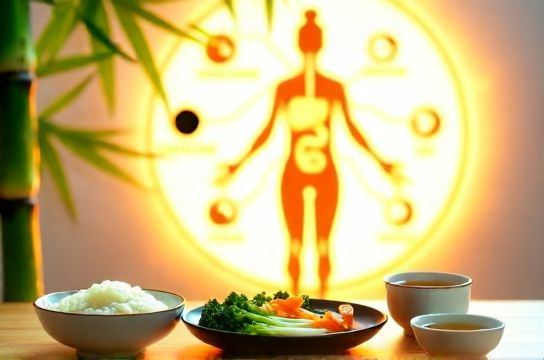
Unlike one-size-fits-all Western diets, TCM views food as medicine. It’s not about cutting calories; it’s about balancing your internal environment. The core idea? Your digestive fire (known as the Spleen Qi in TCM) governs how well you transform food into energy. Weak digestion = fatigue, bloating, weight gain, and brain fog—no matter how ‘clean’ your meals are.
So what makes TCM eating different? Let’s break it down with real data and practical tips.
The Temperature Factor: Hot vs. Cold Foods
In TCM, food isn’t just fuel—it has thermal properties. Eating too many ‘cold’ foods (like smoothies, salads, or raw veggies) can douse your digestive fire, especially in colder months. A 2022 observational study in Shanghai found that individuals who regularly consumed warm, cooked meals reported 37% fewer digestive complaints than those relying on raw or chilled foods.
Here’s a quick guide to common food temperatures in TCM terms:
| Food | TCM Thermal Nature | Common Effect on Body |
|---|---|---|
| Cucumber, banana, tofu | Cold | Can weaken digestion if overeaten |
| Broccoli, apples, green tea | Cool | Mildly cleansing, best in summer |
| Rice, chicken, carrots | Neutral | Balancing, good for daily use |
| Ginger, garlic, cinnamon | Warm | Boosts digestion and circulation |
| Pepper, lamb, coffee | Hot | Stimulating, but can cause heat excess |
Notice a pattern? Your morning latte and avocado toast might be cooling your core when you actually need warmth. Try swapping that cold smoothie for a warm congee with ginger—your gut will thank you.
Eat According to the Clock: The Organ Hour System
Another gem from TCM? The body follows a 24-hour energetic cycle. Each organ is most active during a two-hour window. For digestion, the stomach peaks between 7–9 AM. That’s why TCM diet guidelines emphasize making breakfast the largest meal—not skipping it for a matcha latte.
Here’s a simplified version of the organ clock for eaters:
- 7–9 AM – Stomach: Prime time to eat. Warm, substantial foods optimal.
- 9–11 AM – Spleen: Processes nutrients. Avoid snacking; let digestion work.
- 5–7 PM – Kidney: Time to wind down intake. Light dinner recommended.
One clinical survey at Beijing University of TCM showed that patients who aligned meals with organ hours improved digestion symptoms by 42% within six weeks.
Practical Tips to Start Today
- Cook your food: Steaming, stewing, and soups preserve Qi.
- Chew like your life depends on it: Aim for 20–30 chews per bite to aid Spleen Qi.
- Limit raw, icy, or processed foods: They require more digestive energy.
- Seasonal eating: Eat locally grown, in-season produce to stay in harmony with nature.
The bottom line? Real health starts in the kitchen, not the pharmacy. By respecting your body’s natural rhythms and using food as medicine, you’re not just eating—you’re healing.