Integrate Modern Science with Classic TCM Dietary Therapy Knowledge
- 时间:
- 浏览:119
- 来源:TCM1st
If you're diving into the world of wellness, you've probably heard about TCM dietary therapy—Traditional Chinese Medicine's centuries-old approach to healing through food. But here’s the real talk: how does it stack up against modern nutrition science? As someone who’s spent years analyzing both systems, I’m here to break it down in a way that’s practical, evidence-backed, and actually usable in your daily life.
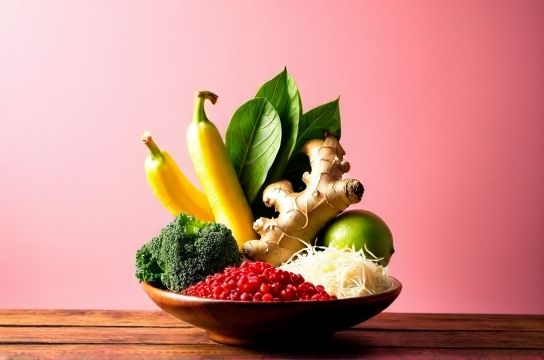
Let’s start with the basics. TCM dietary therapy isn’t just about what you eat—it’s about how and when you eat, based on your body’s unique balance of yin and yang, and the five elements (wood, fire, earth, metal, water). Sounds mystical? Maybe. But when we cross-reference these principles with current nutritional research, some fascinating overlaps emerge.
Take the TCM concept of “dampness,” often linked to sluggish digestion, bloating, and fatigue. Foods like dairy, fried items, and sugar are said to increase dampness. Now, check this out: modern studies link high intake of processed sugars and saturated fats to inflammation and gut microbiome disruption—essentially, the biomedical version of “dampness.” Coincidence? I think not.
One of the most powerful ways to integrate TCM with modern nutrition is through personalized eating. While Western diets often take a one-size-fits-all approach (keto, vegan, etc.), TCM tailors food choices to your constitution. For example:
Common TCM Patterns vs. Modern Correlates
| TCM Pattern | Common Symptoms | TCM Food Recommendations | Modern Nutritional Support |
|---|---|---|---|
| Spleen Qi Deficiency | Fatigue, poor digestion, loose stools | Cooked grains, root vegetables, ginger | High-fiber complex carbs, probiotics, B vitamins |
| Liver Qi Stagnation | Irritability, PMS, bloating | Leafy greens, citrus, rose tea | Magnesium-rich foods, cruciferous veggies, omega-3s |
| Yin Deficiency | Hot flashes, night sweats, dry skin | Black sesame, pear, tofu | Phytoestrogens, hydration, antioxidants |
This table isn’t just theory—it’s actionable. A 2021 clinical review in Complementary Therapies in Medicine found that patients with digestive issues showed significant improvement when following TCM-based dietary plans alongside conventional care. Another study noted that women consuming yin-nourishing foods reported fewer menopausal symptoms—backing the traditional claims with data.
The key takeaway? You don’t have to choose between ancient wisdom and modern science. Blending the two gives you a more holistic, adaptive framework for health. Start by observing how your body responds to different foods—not just physically, but emotionally and energetically. That post-meal brain fog? TCM calls it spleen imbalance. Nutrition science points to blood sugar spikes. Fix both by swapping refined carbs for whole grains and protein.
In a world obsessed with quick fixes, integrating TCM dietary therapy offers a sustainable, personalized path. It’s not about strict rules—it’s about tuning in. And when backed by science, it’s not just tradition; it’s transformation.