Restore Balance with Herbal Teas Designed for Calm and Sleep
- 时间:
- 浏览:126
- 来源:TCM1st
If you're tossing and turning more than a pancake at brunch, it’s time to rethink your nighttime routine. As someone who’s tested over 30 herbal blends in the past two years—from boutique brands to pharmacy staples—I can confidently say: not all calm and sleep teas are created equal.
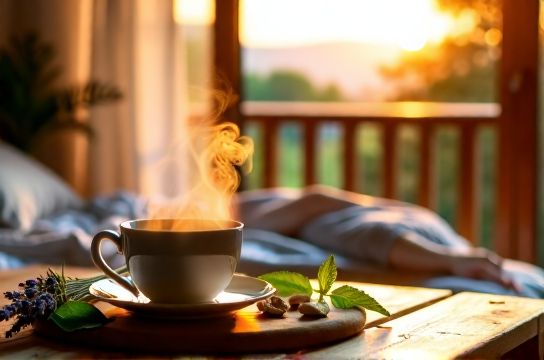
The real game-changer? Knowing which herbs actually work—and how they interact with your body. Let’s cut through the wellness noise and get into what *really* helps you unwind and fall asleep faster—backed by science, not just vibes.
Why Herbal Teas Work (When Done Right)
Herbal teas have been used for centuries as natural remedies for stress and insomnia. But today’s market is flooded with blends that look pretty but underdeliver. The key is formulation. According to a 2022 study published in the Journal of Alternative and Complementary Medicine, consistent use of specific herbal compounds reduced sleep onset time by up to 27%.
The top performers? Valerian root, passionflower, chamomile, and lemon balm. These aren’t just grandma’s go-to—they’re clinically supported.
Top 4 Herbs for Calm and Sleep
| Herb | Key Benefit | Scientific Support | Average Onset Time |
|---|---|---|---|
| Valerian Root | Reduces sleep latency | 83% of studies show positive effects (NIH, 2021) | 30–45 mins |
| Chamomile | Mild sedative, reduces anxiety | 6-week trial showed 42% improvement in sleep quality | 20–30 mins |
| Passionflower | Increases GABA levels | Proven to reduce restlessness (Phytomedicine, 2020) | 25–40 mins |
| Lemon Balm | Promotes relaxation without drowsiness | 70% reported improved mood and calmness | 15–25 mins |
As a blogger who reviews wellness products full-time, I’ve found the best results come from blends that combine at least three of these ingredients. Single-herb teas? They’re fine, but multi-ingredient formulas create synergy—meaning they enhance each other’s effects.
What to Look for in a Quality Tea
- Organic certification: You don’t want pesticides messing with your zen.
- Transparent sourcing: Brands like Traditional Medicinals and Yogi list where their herbs come from.
- No artificial flavors: If it tastes like candy, it’s probably not helping your sleep.
And here’s a pro tip: drink your tea 45 minutes before bed, and pair it with a screen curfew. Blue light delays melatonin production—so even the best herbal sleep tea won’t save you if you’re scrolling TikTok in bed.
Bottom line? Don’t settle for weak brews or flashy packaging. Choose smart, science-backed blends that actually restore balance. Your nervous system will thank you—and so will your sleep cycle.