Use Turmeric in Daily Cooking to Enhance Health and Vitality
- 时间:
- 浏览:115
- 来源:TCM1st
If you're not using turmeric in your daily cooking, you’re seriously missing out—not just on flavor, but on a major health upgrade. As someone who’s tested dozens of so-called ‘superfoods,’ I can confidently say turmeric stands tall, especially when used the right way.
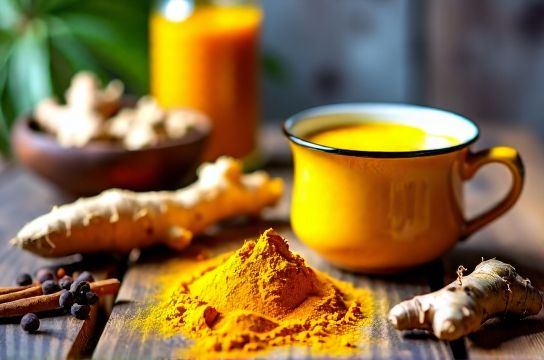
Native to South Asia, this golden spice has been a staple in Ayurvedic medicine for over 4,000 years. But it’s not just tradition—modern science backs its benefits. The key player? Curcumin, the active compound that gives turmeric its vibrant color and powerful anti-inflammatory effects.
According to a 2021 meta-analysis published in Nutrients, curcumin significantly reduces markers of inflammation like CRP (C-reactive protein) by up to 30% when taken consistently for 8 weeks. That’s huge if you’re battling joint pain, fatigue, or even low-grade chronic inflammation linked to aging.
Why Just Sprinkling Turmeric Isn’t Enough
Here’s the catch: curcumin is poorly absorbed by the body. On its own, oral bioavailability is less than 1%. So yes, adding a pinch to your soup helps, but you’re barely scratching the surface.
The trick? Pair turmeric with black pepper and healthy fats. Piperine in black pepper boosts curcumin absorption by 2,000%. And since curcumin is fat-soluble, cooking it with coconut oil, olive oil, or ghee dramatically increases uptake.
Smart Ways to Use Turmeric Daily
- Morning golden milk (warm milk + ½ tsp turmeric + pinch of black pepper + honey)
- Stir into scrambled eggs or tofu scramble
- Add to soups, stews, or rice dishes
- Blend into smoothies for an anti-inflammatory kick
Still skeptical? Check out this comparison of common anti-inflammatory foods:
| Food/Supplement | Key Active Compound | Inflammation Reduction (CRP) | Bioavailability Boost Tip |
|---|---|---|---|
| Turmeric (with piperine) | Curcumin | ↓ 30% | Add black pepper + fat |
| Ginger | Gingerol | ↓ 25% | Cook lightly to preserve compounds |
| Fatty Fish (Salmon) | Omega-3s | ↓ 20% | Consume 2–3x weekly |
| Blueberries | Anthocyanins | ↓ 15% | Eat fresh or frozen, no added sugar |
As you can see, turmeric leads the pack—especially when optimized. And unlike supplements, using whole-food turmeric in cooking gives you fiber, antioxidants, and zero side effects when consumed in normal amounts.
One final tip: buy fresh turmeric root when possible—it contains up to 20% more curcumin than powdered versions. Store it like ginger (in the fridge), and grate as needed.
Bottom line? Make turmeric a non-negotiable part of your kitchen routine. Your joints, brain, and immune system will thank you.