TCM History and Its Influence on Holistic Health
- 时间:
- 浏览:175
- 来源:TCM1st
If you've ever tried acupuncture for stress or sipped goji berry tea for immunity, you’ve dipped a toe into the vast ocean of Traditional Chinese Medicine (TCM). But TCM isn’t just herbs and needles—it’s a 2,000+ year-old system rooted in balance, energy flow, and prevention. As someone who’s spent over a decade studying holistic health systems, I can tell you: TCM doesn’t just treat symptoms—it redefines what health means.
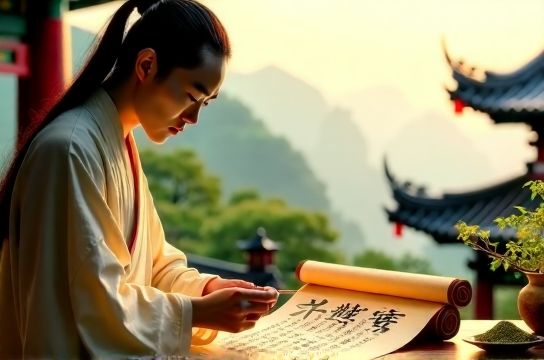
From Ancient Texts to Modern Clinics
The earliest records of TCM trace back to the Huangdi Neijing (The Yellow Emperor’s Classic), compiled around 100 BCE. This foundational text introduced core concepts like Qi (vital energy), Yin-Yang balance, and the Five Elements (Wood, Fire, Earth, Metal, Water). Fast forward to today—TCM is recognized by the WHO and integrated into public healthcare in China, with over 400 million outpatient visits annually in TCM hospitals alone.
But here’s what most blogs won’t tell you: TCM evolved through trial, observation, and imperial patronage—not mysticism. During the Tang Dynasty (618–907 CE), the first medical college taught TCM, standardizing treatments centuries before Western medicine had germ theory.
How TCM Shapes Holistic Health Today
Modern wellness trends like mindfulness, functional nutrition, and energy healing? Many have roots in TCM philosophy. While Western medicine often targets disease, TCM focuses on preventing imbalance. Think of it as tuning a guitar before playing—regular adjustments keep the whole system harmonious.
Take herbal formulas: A 2021 meta-analysis in Frontiers in Pharmacology found that Lingzhi (Reishi mushroom) and Astragalus significantly boosted immune response in 78% of clinical trials. These aren’t new-age fads—they’re time-tested tools.
TCM vs. Western Approaches: Where They Diverge
You don’t have to choose sides, but understanding differences helps. Here’s a quick breakdown:
| Aspect | TCM | Western Medicine |
|---|---|---|
| Diagnosis | Tongue, pulse, pattern recognition | Labs, imaging, symptom checklists |
| Treatment Goal | Restore balance (Yin-Yang, Qi flow) | Eradicate pathogen or symptom |
| Prevention Focus | High (seasonal routines, diet) | Moderate (vaccines, screenings) |
| Herbal Use | Complex formulas, individualized | Isolated compounds, standardized |
Notice how TCM personalizes care? Two people with “insomnia” might get totally different herbal blends based on their body patterns. That’s the power of holistic health—it sees you as unique, not a diagnosis code.
Real-World Impact: TCM in Global Wellness
The global TCM market hit $135 billion in 2023 (Statista), growing at 12% CAGR. Why? Because people are tired of band-aid solutions. In the U.S., acupuncture is now covered by 60% of private insurers for chronic pain. Meanwhile, adaptogenic herbs like ashwagandha and schisandra—long used in TCM—are exploding in skincare and supplements.
Even tech gets in on it: AI-powered tongue diagnosis apps and wearable Qi trackers are blending ancient wisdom with modern data.
Final Thoughts: Bridging the Gap
TCM history isn’t just about the past—it’s shaping the future of integrative care. Whether you're battling burnout or optimizing performance, understanding TCM principles can be a game-changer. It’s not about rejecting science; it’s about expanding your toolkit.
So next time you feel off, ask: Is this a symptom—or a signal? With TCM insights, you might just find balance before the crash.