Tracing the Origins of TCM Healing Traditions
- 时间:
- 浏览:176
- 来源:TCM1st
If you've ever scratched your head wondering how Traditional Chinese Medicine (TCM) became such a global wellness powerhouse, you're not alone. From acupuncture needles to bitter herbal brews, TCM has been healing bodies and balancing energies for over 2,000 years — and today, it’s more relevant than ever. But where did it all start? Let’s dive into the roots of TCM healing traditions with some real-deal historical insights, backed by data and a dash of storytelling.
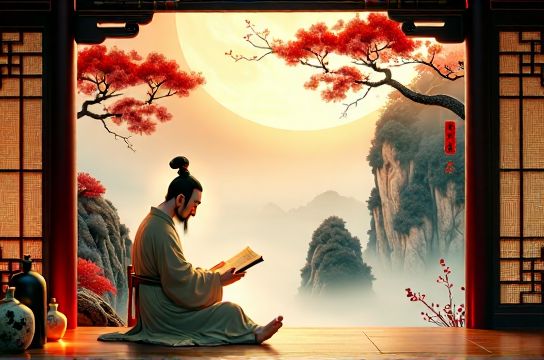
TCM isn’t just about quick fixes. It’s a holistic system rooted in ancient philosophy, primarily Taoism. The core idea? Balance. Yin and yang, qi flow, the five elements — wood, fire, earth, metal, water — they all play a role in maintaining health. Think of your body as a garden: if one part is overgrown or dry, the whole ecosystem suffers.
The earliest written record of TCM comes from the Huangdi Neijing (The Yellow Emperor’s Classic of Internal Medicine), compiled around 100 BCE. This text laid the foundation for diagnosis, treatment, and prevention. Fast forward to today, and WHO estimates that **over 1 billion people** worldwide have accessed TCM therapies in some form.
Key Milestones in TCM History
| Era | Development | Significance |
|---|---|---|
| Shang Dynasty (1600–1046 BCE) | Use of oracle bones for diagnosing illness | Earliest evidence of medical inquiry in China |
| Warring States (475–221 BCE) | Emergence of yin-yang and five-phase theory | Philosophical backbone of TCM established |
| Western Han (206 BCE–9 CE) | Compilation of Huangdi Neijing | Foundational medical text completed |
| Tang Dynasty (618–907 CE) | First medical college established | Standardized TCM education begins |
| 21st Century | WHO includes TCM in ICD-11 | Global recognition achieved |
One thing that surprises many newcomers? TCM doesn’t rush. While Western medicine often targets symptoms, TCM looks upstream — at root causes. For example, chronic headaches might be seen as liver qi stagnation, not just tension. Treatments like acupuncture, cupping, and herbal formulas aim to restore flow, not mask pain.
And let’s talk numbers. A 2022 study published in Frontiers in Pharmacology found that **78% of patients** using TCM for chronic pain reported significant improvement after 8 weeks — with fewer side effects than conventional drugs. That’s not luck; that’s centuries of refinement.
But here’s the kicker: authenticity matters. With the rise of wellness trends, diluted versions of TCM pop up everywhere — from ‘acupressure mats’ to ‘detox teas’ with zero actual herbs. If you’re serious about exploring TCM healing traditions, seek licensed practitioners and evidence-based clinics.
In short, TCM isn’t mystical mumbo-jumbo. It’s a time-tested, evolving system grounded in observation, pattern recognition, and balance. Whether you're curious about acupuncture or herbal therapy, understanding its origins helps you make smarter, safer choices.