Classical Texts That Shaped Chinese Medicine Philosophy
- 时间:
- 浏览:161
- 来源:TCM1st
If you're diving into the world of holistic health or exploring the roots of natural healing, you’ve probably heard whispers about Chinese medicine philosophy. But where did it all begin? Spoiler: long before Instagram wellness trends, ancient scholars were writing the blueprints of balance, energy flow, and body-mind harmony. Let’s unpack the classical texts that didn’t just influence traditional Chinese medicine (TCM)—they basically founded it.
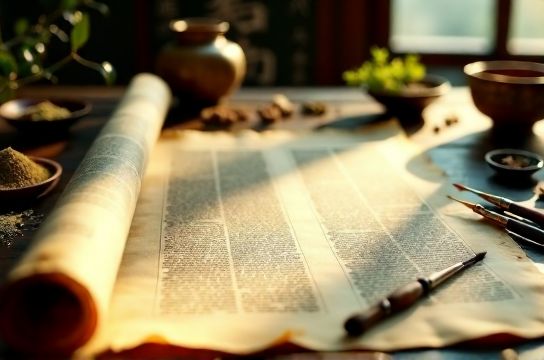
The Big Four: Foundational Texts You Should Know
These aren’t just old books—they’re medical bibles that shaped centuries of healing. Here’s a quick breakdown:
| Text | Estimated Date | Key Contribution | Still Influential Today? |
|---|---|---|---|
| Huangdi Neijing (Yellow Emperor’s Inner Canon) | c. 100 BCE | Defined Qi, Yin-Yang, Five Phases, and organ systems | Yes — taught in TCM schools worldwide |
| Shanghan Lun (Treatise on Cold Damage) | c. 220 CE | Pioneered pattern diagnosis and herbal formulas | Yes — basis for many modern herbal protocols |
| Shennong Bencao Jing (Divine Farmer’s Materia Medica) | c. 200 CE | First pharmacopoeia — classified 365 herbs | Yes — referenced in herbal research |
| Nanjing (Classic of Difficult Issues) | c. 100 CE | Clarified pulse diagnosis and meridian theory | Yes — used in advanced acupuncture training |
These texts weren’t written by one person—they evolved over generations, refined by healers who believed in observation, prevention, and harmony with nature. And get this: the Huangdi Neijing is still required reading at institutions like the Beijing University of Chinese Medicine. Now that’s staying power.
Why These Texts Still Matter
You might think, “Ancient wisdom? Really?” But consider this: a 2021 study published in Frontiers in Pharmacology found that over 60% of modern TCM herbal formulas trace their origins back to the Shanghan Lun. That’s not nostalgia—that’s proven efficacy.
And it’s not just herbs. The concept of Qi as life force—central to acupuncture and qigong—was first systematically described in the Nanjing. Even Western integrative medicine is catching on: the NIH now funds research into meridian-based therapies, citing these classical models.
But here’s the real kicker: unlike symptom-chasing medicine, these texts teach pattern differentiation. Two people with headaches might get totally different treatments based on their body’s unique imbalance. That’s personalized medicine—before it was cool.
How to Use This Knowledge Today
You don’t need a PhD to benefit. Start by understanding core principles from the classical Chinese medicine philosophy. Look for practitioners trained in these texts. And if you’re researching herbs, cross-check with the Shennong Bencao Jing classifications—many modern supplements oversimplify ancient wisdom.
Bottom line? These aren’t dusty relics. They’re living guides to balance, resilience, and deep healing. Whether you're a skeptic or a believer, you can’t ignore the legacy. Want real wellness? Sometimes, you have to go back to go forward.