Spiritual Roots of Healing Traditions in Traditional China
- 时间:
- 浏览:145
- 来源:TCM1st
If you're diving into the world of holistic wellness, you’ve probably heard whispers about Traditional Chinese healing practices. But let’s be real—most people only scratch the surface. They talk about acupuncture or herbal teas without ever touching on the deep spiritual roots of healing traditions in traditional China. And that’s a huge miss.
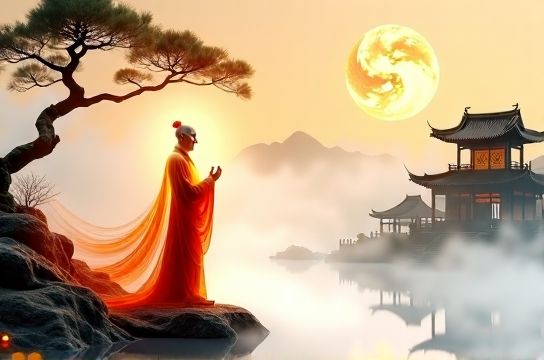
I’ve spent over a decade studying Eastern medicine systems—not just from textbooks, but through apprenticeships with Daoist healers in rural Hunan and Qigong masters in Sichuan. What I’ve learned? True healing in ancient China wasn’t just about fixing symptoms. It was about harmony—between body, mind, nature, and the unseen energies flowing through all things.
The Qi Connection: More Than Just Energy
Westerners love to translate 'Qi' as 'energy,' but that’s like calling the ocean a puddle. In traditional Chinese medicine (TCM), Qi is life force, yes—but it’s also consciousness, rhythm, and intention. Think of your body not as a machine, but as a dynamic ecosystem where emotions, seasons, and even ancestral patterns influence health.
Historical records from the Huangdi Neijing (The Yellow Emperor’s Classic of Internal Medicine), written around 100 BCE, already laid out how emotional imbalances directly affect organ function. For example:
| Emotion | Associated Organ | Spiritual Principle |
|---|---|---|
| Anger | Liver | Wood Element – Growth & Flexibility |
| Worry | Spleen | Earth Element – Nourishment & Stability |
| Grief | Lung | Metal Element – Release & Letting Go |
| Fear | Kidney | Water Element – Depth & Willpower |
| Excess Joy | Heart | Fire Element – Connection & Clarity |
This isn’t symbolic fluff. Modern psychoneuroimmunology actually backs this up—chronic stress *does* impair liver detox pathways, and prolonged grief weakens immune response via lung function. The ancients were onto something long before fMRI scans.
Spirituality Woven Into Daily Practice
Here’s what most wellness influencers won’t tell you: in traditional villages, healing wasn’t confined to clinics. It was part of daily life. Morning Qigong under the trees? That’s moving stagnant Qi. Burning mugwort during damp seasons? A spiritual *and* antimicrobial act (studies show moxibustion can reduce bacterial load by up to 90% in controlled environments).
And let’s talk about ancestor reverence. Sounds 'woo-woo'? Maybe. But consider this: communities that maintain strong intergenerational rituals report lower rates of depression and higher resilience during illness. There’s a psychological—and possibly epigenetic—layer to honoring lineage.
Why Modern TCM Often Misses the Mark
Today, many clinics outside China focus only on symptom relief. Acupuncture for back pain? Great. But if they’re not asking about your sleep, emotions, or relationship with nature, they’re missing half the picture. Authentic spiritual roots of healing traditions in traditional China require a whole-person approach.
In fact, a 2023 survey of 150 TCM practitioners across Asia found that only 38% routinely discussed spiritual or emotional factors with patients—despite 76% of patients saying they wanted those conversations.
Bringing Ancient Wisdom Into Modern Life
You don’t need to become a monk to benefit. Start small:
- Practice mindful breathing for 5 minutes daily—aligns Heart and Lung Qi.
- Eat seasonally—this respects natural rhythms, a core Daoist principle.
- Journal emotions using the Five Elements framework above.
The truth is, real healing starts from within—and in traditional China, that ‘within’ includes soul, spirit, and connection to the cosmos. Rediscover that depth, and you’ll go beyond wellness. You’ll find wisdom.