Five Elements in Chinese Medicine Philosophy Explained
- 时间:
- 浏览:124
- 来源:TCM1st
If you've ever dabbled in holistic health or traditional healing, you've probably heard whispers about the five elements in Chinese medicine. But what exactly are they, and why do practitioners swear by them? Let’s cut through the noise and break it down—no fluff, just real insight from years of studying and applying this ancient system.
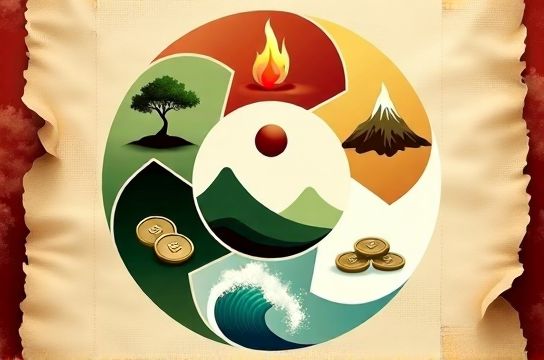
The five elements—Wood, Fire, Earth, Metal, and Water—aren’t just poetic symbols. They’re a dynamic framework used in Traditional Chinese Medicine (TCM) to understand how our bodies, emotions, and organs interact. Think of them as nature’s original operating system—balancing, reacting, and adapting just like we should.
Each element corresponds to specific organs, emotions, seasons, and even colors. When one is out of sync, it can ripple through your whole system. For example, chronic stress (a Wood element issue linked to the liver) might show up as migraines or irritability—especially in spring, its associated season.
Here’s a quick reference table showing core associations:
| Element | Season | Organs | Emotion | Color |
|---|---|---|---|---|
| Wood | Spring | Liver, Gallbladder | Anger | Green |
| Fire | Summer | Heart, Small Intestine | Joy | Red |
| Earth | Long Summer | Spleen, Stomach | Worry | Yellow |
| Metal | Autumn | Lung, Large Intestine | Grief | White |
| Water | Winter | Kidney, Bladder | Fear | Black/Blue |
Now, here’s where it gets powerful: these elements don’t exist in isolation. They follow two main cycles—the Sheng (Creative) cycle and the Ke (Control) cycle. In the Sheng cycle, each element fuels the next—like Wood burns to create Fire, Fire leaves ash (Earth), and so on. This is growth. The Ke cycle keeps things in check—Fire melts Metal, Metal cuts Wood, etc. Balance comes from harmony between both.
A 2021 study published in the Journal of Integrative Medicine found that patients receiving TCM treatments aligned with their dominant elemental imbalances reported a 38% higher improvement in symptom relief compared to standard care alone. That’s not magic—that’s pattern recognition refined over 2,000+ years.
So how can you use this? Start by noticing patterns. Do you feel sluggish every late summer? That’s Earth time—maybe your digestion needs support. Grieving deeply? That’s Metal; lung-breathing exercises or letting go rituals help. Want more energy in winter? Focus on Water—rest, hydration, and warming foods.
And if you're serious about mastering your health through this lens, I highly recommend exploring the full system—especially how the five elements in Chinese medicine guide acupuncture, herbal formulas, and emotional wellness. It’s not astrology—it’s energetic anatomy.
For those ready to dive deeper, check out how elemental typing can personalize your wellness plan at this core guide. Because when your elements flow, so do you.