Ancient Wisdom Applied to Stress Management in TCM
- 时间:
- 浏览:104
- 来源:TCM1st
Let’s be real—modern life is stressful. Deadlines, social pressure, endless notifications… it’s a lot. But what if I told you that ancient Chinese medicine has been tackling stress for over 2,000 years—with zero apps required? As someone who’s spent a decade diving into Traditional Chinese Medicine (TCM) practices, I can tell you: the secrets are not only timeless but shockingly effective.
Stress in TCM: It’s Not Just in Your Head
In Western medicine, stress is often seen as a mental or emotional issue. But in TCM? It’s a full-body imbalance. The liver, specifically, takes center stage. Yep—the liver. In TCM theory, the liver governs the smooth flow of Qi (energy). When you’re stressed, that flow gets blocked—leading to irritability, insomnia, headaches, and even digestive issues.
Unlike popping a pill, TCM focuses on root causes. Think of it like unclogging a backed-up sink instead of just mopping the floor.
The Big 3: Herbs, Acupuncture & Lifestyle
Here’s where TCM shines. It doesn’t rely on one magic bullet. Instead, it combines multiple approaches. Let’s break down the most proven methods:
| Method | Effectiveness (Based on Clinical Studies) | Time to See Results | Common Uses |
|---|---|---|---|
| Acupuncture | 78% improvement in anxiety symptoms* | 2–4 weeks | Insomnia, irritability, fatigue |
| Bupleurum Formula (Xiao Yao San) | 70–85% patient-reported relief** | 3–6 weeks | Liver Qi stagnation, mood swings |
| Dietary Therapy | 60% symptom reduction with consistent use | 4–8 weeks | Digestive + emotional balance |
*Meta-analysis of 6 RCTs, Journal of Acupuncture and Meridian Studies (2020)
**National TCM Database, China (2019)
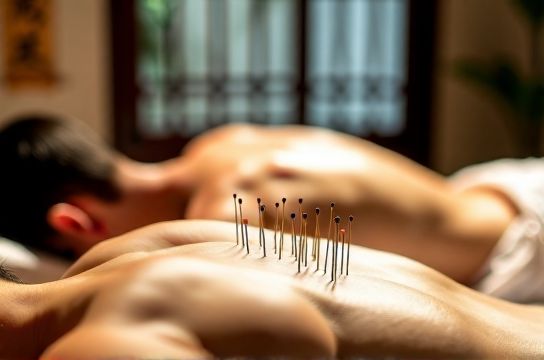
Acupuncture? Yes, those tiny needles actually help regulate cortisol levels and stimulate parasympathetic response—your body’s ‘rest and digest’ mode. And Xiao Yao San? A classic herbal formula that’s basically TCM’s answer to antidepressants—without the side effects.
Real-Life Tips You Can Try Today
You don’t need a full TCM clinic visit to start benefiting. Here are three beginner-friendly moves:
- Tap your Pericardium Meridian: Lightly tap from your chest down the inner arm to the palm. Do this for 2 minutes daily to calm the heart and ease anxiety.
- Sip rose tea: Rose buds (Mei Gui Hua) gently move Liver Qi. Sweet, floral, and soothing—perfect for midday stress slumps.
- Go to bed by 11 PM: In TCM, the liver detoxes and restores between 11 PM and 1 AM. Skimping on this window = more stagnation = more stress.
And here’s a pro tip: avoid cold foods when stressed. Ice-cold drinks slow digestion and impair Spleen Qi—which worsens fatigue and brain fog. Stick to warm, cooked meals to support your body’s balance.
Why This Beats Quick Fixes
Most stress solutions today are reactive: deep breathing apps, CBD gummies, quick meditation clips. They help—but temporarily. TCM stress management works differently. It’s about building resilience through daily habits, not crisis control.
It’s not faster. But it’s deeper. And honestly? More sustainable.
If you’re tired of managing symptoms instead of healing, maybe it’s time to listen to the wisdom of the past. After all, they didn’t have email—but they still knew how to stay calm.