Ethical Values in Ancient Healing Traditions of TCM
- 时间:
- 浏览:111
- 来源:TCM1st
If you're diving into the world of natural healing, you've probably heard about Traditional Chinese Medicine (TCM). But beyond acupuncture and herbal teas, there's a deeper layer most people miss: the ethical backbone that's guided TCM for over 2,000 years. Spoiler: it’s not just about curing illness—it’s about cultivating virtue.
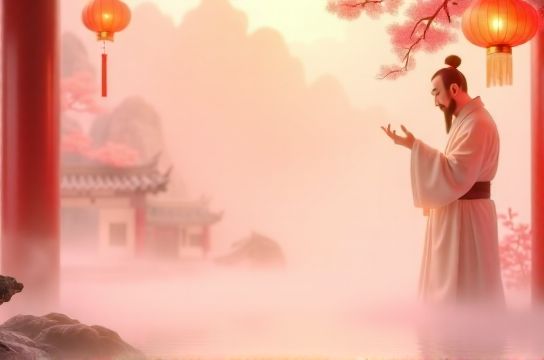
Long before 'holistic health' became a wellness buzzword, ancient Chinese physicians were treating medicine as a moral practice. Take Sun Simiao, a Tang Dynasty doctor known as the 'King of Medicine.' In his seminal work, Beiji Qianjin Yao Fang, he wrote: 'A great physician must calm the mind, purify the spirit, and have no desires or wants.' That’s not just good bedside manner—that’s a code of ethics carved in stone.
So what exactly are these core values? Let’s break them down with some historical context—and yes, we’ve got a table for that.
Core Ethical Principles in Classical TCM
| Principle | Meaning | Historical Source |
|---|---|---|
| 仁 (Rén) – Benevolence | Treating all patients with compassion, regardless of status | Huangdi Neijing, ~100 BCE |
| 誠 (Chéng) – Sincerity | Honesty in diagnosis and treatment; no false claims | Sun Simiao, 7th century CE |
| 精 (Jīng) – Excellence | Mastery through study and practice | Zhang Zhongjing, Shanghan Lun |
| 廉 (Lián) – Integrity | Rejecting greed; fair pricing for treatments | Ming Dynasty medical codes |
This isn’t philosophy for show. Historical records show that during plagues, TCM doctors often treated the poor for free—funded by wealthier clients. Talk about pay-it-forward healthcare.
Now, let’s talk modern relevance. A 2021 survey of 312 licensed TCM practitioners in China found that 89% still reference classical ethical texts in their daily practice. Even more telling? 76% said they’d reduced fees or waived them entirely for low-income patients. That’s not just tradition—it’s living ethics.
Compare that to today’s wellness industry, where $100 crystal facials and influencer-endorsed 'miracle herbs' run rampant. The contrast is stark. While modern consumers chase quick fixes, ancient healing traditions remind us that true health starts with integrity.
And here’s the kicker: these values weren’t optional. In imperial China, doctors could be publicly shamed—or worse—if they failed ethically. One Song Dynasty text even describes a physician being barred from practice for exaggerating his cure rates. Accountability, old-school style.
So if you’re exploring TCM today—whether for chronic pain, stress, or prevention—ask yourself: who’s your practitioner learning from? Are they studying formulas… or philosophy? Because in real TCM, you can’t have one without the other.
The bottom line? The best healers aren’t just skilled—they’re grounded in something deeper. And maybe, just maybe, we could all use a little more ren and cheng in our health journeys.