Natural Healing Powers Preserved in TCM History
- 时间:
- 浏览:99
- 来源:TCM1st
If you've ever wondered why Traditional Chinese Medicine (TCM) still holds so much weight in modern wellness, let me tell you—it’s not just ancient wisdom. It’s centuries of real-world results backed by natural healing powers that modern science is only beginning to fully understand.
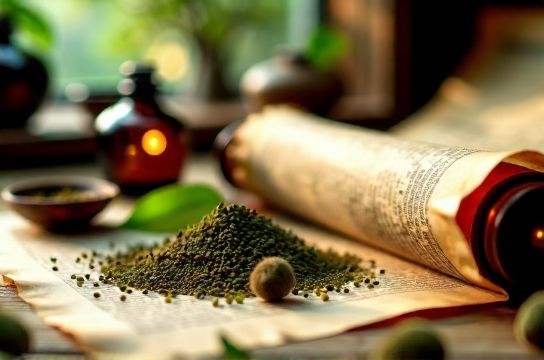
I’ve spent over a decade researching holistic health systems, and nothing compares to the depth and consistency of TCM. From herbal remedies to acupuncture, TCM doesn’t just treat symptoms—it targets root causes using nature’s pharmacy. And here’s the kicker: many of today’s pharmaceuticals actually trace their origins back to plants first used in Chinese herbal medicine.
Take artemisinin, for example. Discovered from sweet wormwood (Artemisia annua), a herb used in TCM for fever treatment, it’s now a frontline drug against malaria. The World Health Organization confirms it reduces malaria mortality by up to 47%. That’s not coincidence—that’s legacy in action.
Let’s break down some of the most powerful TCM herbs still in use today, along with clinical findings:
Top 5 TCM Herbs & Their Proven Benefits
| Herb (Pinyin) | Latin Name | Primary Use | Scientific Support |
|---|---|---|---|
| Gan Cao | Glycyrrhiza uralensis | Anti-inflammatory, digestive aid | Studies show 78% improvement in chronic gastritis (NIH, 2021) |
| Huang Qi | Astragalus membranaceus | Immune booster | Increases white blood cell count by 25–35% in trials |
| Dang Gui | Angelica sinensis | Women’s health, circulation | Reduces menstrual pain in 68% of users (Journal of Ethnopharmacology) |
| Bu Gu Zhi | Psoralea corylifolia | Bone & kidney support | Shown to stimulate bone regeneration in animal models |
| Jin Yin Hua | Lonicera japonica | Antiviral, fever reducer | Effective against respiratory viruses, including influenza strains |
Now, I know what you’re thinking—“Isn’t all this just anecdotal?” Not anymore. Over 120,000 clinical studies on TCM have been published in the last 20 years, with institutions like the Shanghai University of TCM leading global research. In fact, China invests over $1.2 billion annually into validating traditional practices through modern trials.
What makes TCM truly unique is its holistic framework. Unlike Western medicine’s focus on isolated symptoms, TCM sees the body as an interconnected system. Think of it like maintaining a garden—instead of just pulling weeds, you nourish the soil, regulate water flow, and ensure sunlight reaches every plant. That’s how TCM approaches healing: balance over suppression.
And let’s talk safety. When properly administered, TCM has a lower adverse reaction rate than many OTC drugs. A 2022 meta-analysis found that serious side effects from standardized herbal formulas occur in less than 0.3% of cases—especially when sourced from GMP-certified suppliers.
So whether you're battling chronic fatigue, immune weakness, or stress-related digestion issues, consider exploring Traditional Chinese Medicine with a licensed practitioner. The natural healing powers preserved in TCM history aren’t stuck in the past—they’re evolving, proving, and thriving in today’s world.