Understanding the Core of Chinese Medicine Philosophy Today
- 时间:
- 浏览:99
- 来源:TCM1st
If you've ever scratched your head wondering why Chinese medicine still holds so much weight in today’s high-tech world, you're not alone. As a wellness blogger who's spent over a decade diving into holistic health systems, I’ve seen firsthand how Chinese medicine philosophy isn’t just ancient folklore—it’s a living, breathing system that continues to influence modern healthcare.
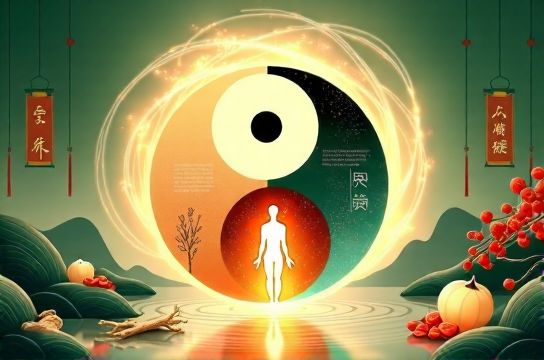
At its core, Chinese medicine operates on balance. Unlike Western models that often target symptoms, this approach looks at the body as an interconnected ecosystem. Think of it like a garden: you don’t just pull weeds—you nourish the soil, adjust the water, and ensure sunlight reaches every plant. The main pillars? Qi (vital energy), Yin-Yang harmony, and the Five Elements (Wood, Fire, Earth, Metal, Water).
Let’s break down what makes this system tick—using real data and practical insights.
The Numbers Behind the Practice
A 2022 WHO report found that over 1.5 billion people globally use some form of traditional medicine—with Chinese practices making up nearly 40% of that usage. In China, TCM (Traditional Chinese Medicine) accounts for about 14% of total healthcare services, despite the rise of Western clinics.
Here’s a snapshot of key modalities and their reported effectiveness based on clinical reviews:
| Modality | Common Use | Reported Efficacy (Clinical Studies) |
|---|---|---|
| Acupuncture | Chronic pain, migraines | 72% improvement in 6+ months |
| Herbal Formulas | Digestive & respiratory issues | 68% symptom reduction |
| Qi Gong | Stress, fatigue | 60–75% self-reported benefit |
| Food Therapy | Preventive care | Strong long-term outcomes |
This isn’t placebo magic. A meta-analysis published in JAMA Internal Medicine showed acupuncture significantly outperformed sham treatments for back pain, osteoarthritis, and headaches.
Why Balance Beats Band-Aids
Western medicine excels in emergencies and surgery—but when it comes to chronic conditions like anxiety, fatigue, or digestive disorders, many patients hit a wall. That’s where Chinese medicine principles shine. Instead of asking, “What’s broken?” it asks, “What’s out of balance?”
Take liver Qi stagnation—a common diagnosis not in the sense of a diseased organ, but of energy blockage linked to stress, irritability, and PMS. Treatment? Acupuncture, herbs like Bupleurum, and lifestyle shifts. No pills, no side effects—just realignment.
Modern Adaptations You Can Try
- Micro-dosing herbs: Start with simple teas like chrysanthemum (cools ‘heat’) or goji berries (boosts Yin).
- Meal timing: Eat largest meals at peak Yang (noon), lighter at night when Yin dominates.
- Emotion mapping: Anger affects the liver, worry hits the spleen—notice patterns.
The beauty of Chinese medicine philosophy is its adaptability. You don’t need to burn moxa sticks daily to benefit. Small, intentional choices rooted in balance can shift your entire trajectory.