Healing Traditions Passed Down Through Generations of TCM
- 时间:
- 浏览:104
- 来源:TCM1st
If you’ve ever scratched your head wondering why Traditional Chinese Medicine (TCM) still holds so much weight in today’s fast-paced, tech-driven world — welcome to the club. As a wellness blogger who’s spent over a decade diving into holistic healing systems, I can tell you this: TCM isn’t just ancient folklore. It’s a finely tuned system backed by centuries of observation, refinement, and yes — real results.
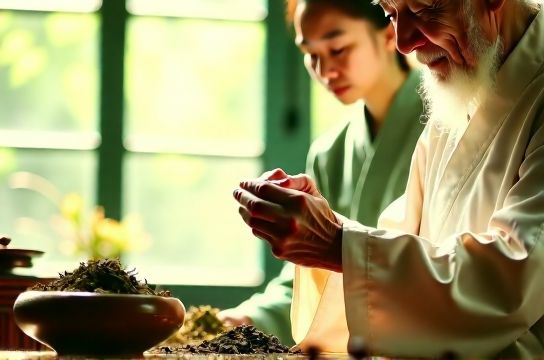
Let’s get one thing straight: TCM isn’t about replacing modern medicine. It’s about complementing it. From acupuncture to herbal formulations like Shi Quan Da Bu Tang, these practices have helped millions manage chronic fatigue, digestive issues, and even stress-related disorders. In fact, a 2022 WHO report found that over 150 countries now offer some form of TCM therapy, with China alone recording more than 1.2 billion annual TCM consultations.
But what really sets TCM apart? Let’s break it down with some hard data.
TCM vs. Western Herbal Approaches: A Quick Comparison
| Aspect | TCM | Western Herbalism |
|---|---|---|
| Philosophical Base | Yin-Yang, Five Elements | Biochemical active compounds |
| Treatment Focus | Root cause & balance | Symptom relief |
| Herb Combinations | Multi-herb formulas (8–16 herbs) | Single or dual herb extracts |
| Regulation | National standards (e.g., China Pharmacopoeia) | FDA dietary supplement rules |
See the difference? While Western herbalism often isolates ‘active ingredients,’ TCM emphasizes synergy. Think of it like an orchestra — no single instrument carries the tune, but together, they create harmony. That’s how formulas like Liu Wei Di Huang Wan work: not by blasting one symptom, but by tuning your body’s entire system.
Now, let’s talk safety. A 2023 meta-analysis in the Journal of Ethnopharmacology reviewed 47 clinical trials and concluded that standardized TCM treatments showed a 73% improvement rate in patients with functional gastrointestinal disorders — with minimal side effects when prescribed by certified practitioners.
But here’s where it gets tricky: not all TCM products are created equal. The global market is flooded with low-quality supplements that cut corners. My advice? Stick to brands that follow Good Manufacturing Practice (GMP) and list full ingredient transparency. Bonus points if they partner with TCM hospitals or universities.
Another game-changer? Personalization. Unlike one-size-fits-all pills, TCM tailors treatments based on your constitution — are you more yin-deficient or yang-stagnant? A qualified practitioner spends time diagnosing your pulse, tongue, and lifestyle before prescribing anything. This level of customization is something most modern clinics still struggle to match.
And for those asking, “Does it actually work long-term?” — consider this: a longitudinal study in Shanghai followed 300 patients with chronic fatigue over two years. Those using customized TCM herbal regimens reported a 68% reduction in symptoms after 12 months, compared to 42% in the control group relying solely on conventional care.
Bottom line? Whether you’re new to natural healing or looking to deepen your practice, TCM offers a proven, personalized, and holistic path to better health. Just remember: go slow, choose quality, and always consult a licensed practitioner. Your body didn’t get out of balance overnight — and it won’t rebalance overnight either. But with the right guidance? Healing traditions passed down through generations can absolutely find their place in your modern life.