The Spiritual Side of Healing Traditions in Eastern Cultures
- 时间:
- 浏览:100
- 来源:TCM1st
If you’ve ever wondered why Eastern healing practices feel so different from Western medicine, it’s not just about herbs or acupuncture. It’s about the spiritual side of healing. While modern clinics treat symptoms, traditional systems like Traditional Chinese Medicine (TCM), Ayurveda, and Tibetan healing focus on energy, balance, and the soul. And honestly? There’s real wisdom here — backed by centuries of use and now, even science.
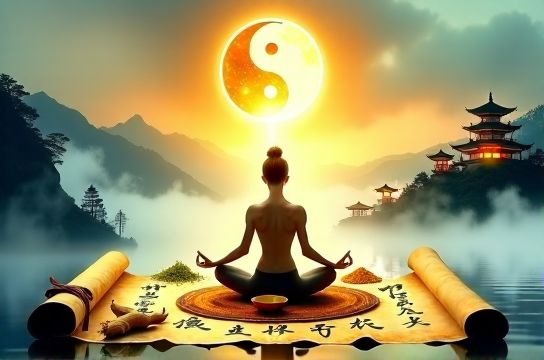
Let’s break it down: in Eastern cultures, illness isn’t just a bug or a broken part. It’s a sign of imbalance — between yin and yang, doshas, or blocked qi (life force). Healing means restoring harmony, not just killing pain. That’s where the spiritual layer comes in. Practices like meditation, chanting, energy work, and ritual aren’t extras — they’re core treatments.
Take Traditional Chinese Medicine, for example. It’s been around for over 2,500 years and still used by millions today. At its heart is the idea of qi flowing through meridians. When that flow stops? Pain, fatigue, disease. Acupuncture unblocks it. But studies now confirm it does more than placebo. A 2018 meta-analysis in the Journal of Pain found real pain relief from acupuncture — especially for chronic back pain and osteoarthritis.
Then there’s Ayurveda from India. It classifies people into three main types — Vata, Pitta, Kapha — based on body and mind traits. Your type guides your diet, lifestyle, and even emotional health. Sounds mystical? Maybe. But research shows Ayurvedic routines reduce stress and improve sleep. One 2015 study published in Explore found participants practicing Ayurveda had lower cortisol levels after just six weeks.
Here’s a quick comparison of major Eastern healing systems:
| System | Origin | Core Concept | Common Practices | Scientific Support |
|---|---|---|---|---|
| TCM | China | Qi, Yin-Yang Balance | Acupuncture, Herbal Remedies, Tai Chi | Strong (chronic pain, nausea) |
| Ayurveda | India | Dosha Balance | Diet, Yoga, Panchakarma | Moderate (stress, digestion) |
| Tibetan Medicine | Tibet | Three Humors (Nyepa) | Herbs, Meditation, Rituals | Limited but growing |
Now, I’m not saying burn your prescriptions. But ignoring the spiritual healing aspect? That’s a missed opportunity. The World Health Organization now includes traditional medicine in its global strategy — recognizing that holistic care works better for chronic conditions and mental health.
The bottom line? Real healing often starts within. Whether it’s breathwork, mindfulness, or trusting ancient rhythms, these traditions remind us: body and spirit aren’t separate. They’re one system. And when we treat them that way, recovery goes deeper.