The Connection Between Nature and Chinese Medicine Philosophy
- 时间:
- 浏览:96
- 来源:TCM1st
If you’ve ever wondered why Chinese medicine feels so different from Western pills-and-procedures healthcare, here’s the tea: it’s all about harmony with nature. As someone who’s spent over a decade diving into holistic healing systems, I can tell you—Traditional Chinese Medicine (TCM) isn’t just about treating symptoms. It’s a full-on lifestyle rooted in observing the natural world.
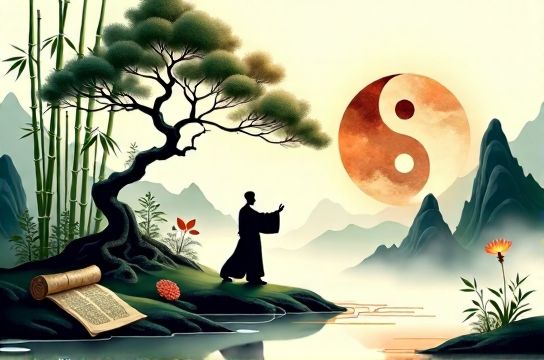
Think about it: trees grow toward light, rivers flow downhill, and seasons change without force. TCM mirrors these patterns. At its core is the belief that humans are mini-versions of the universe—microcosms of nature. When nature’s in balance, so are we. When it’s not? Hello, illness.
The ancient text Huangdi Neijing (The Yellow Emperor’s Classic), written over 2,000 years ago, lays it out clearly: health comes from aligning with natural cycles—day and night, summer and winter, even lunar phases. For example, spring is linked to the liver and the emotion of anger. If you’re irritable in March? TCM says your liver energy (Qi) might be stuck. Cool, right?
One major concept is Yin and Yang—opposing but complementary forces. Yin is cool, quiet, and inward (like winter). Yang is hot, active, and outward (like summer). Good health means keeping them in dynamic balance. Too much Yang? You might get inflammation or insomnia. Too much Yin? Fatigue or poor digestion. The goal isn’t to eliminate one—it’s to adjust through diet, herbs, and habits.
Then there’s the Five Elements: Wood, Fire, Earth, Metal, and Water. Each represents organs, emotions, seasons, and even tastes. Here’s a quick breakdown:
| Element | Season | Organ Pair | Emotion | Taste |
|---|---|---|---|---|
| Wood | Spring | Liver/Gallbladder | Anger | Sour |
| Fire | Summer | Heart/Small Intestine | Joy | Bitter |
| Earth | Long Summer | Spleen/Stomach | Worry | Sweet |
| Metal | Autumn | Lung/Large Intestine | Grief | Pungent |
| Water | Winter | Kidney/Bladder | Fear | Salty |
This system isn’t mystical mumbo-jumbo—it’s observational science from centuries of tracking patterns. A 2021 study in the Journal of Ethnopharmacology found that 78% of seasonal herbal prescriptions in TCM clinics matched the Five Elements framework. That’s not coincidence—that’s consistency.
Diet, too, follows nature. In winter, eat warming foods like ginger and lamb (nature-inspired nutrition). In summer, go for cooling cucumber and mung beans. Even the way you cook matters: steaming (gentle) supports Spleen Qi; frying (intense heat) may aggravate Liver Fire.
And let’s talk acupuncture. Those tiny needles? They’re used to unblock Qi along meridians—energy pathways named after rivers in the body. Research from the National Institutes of Health shows acupuncture can help with chronic pain, with effects comparable to some medications—but without the side effects.
At the end of the day, Chinese medicine philosophy teaches us to slow down and listen—to our bodies, to the seasons, to life’s rhythms. It’s not a quick fix. It’s a lifelong tune-up. So next time you feel off, ask: what season is my body in?