Ancient Wisdom Meets Science in Contemporary TCM Research
- 时间:
- 浏览:102
- 来源:TCM1st
Let’s be real — when you hear 'Traditional Chinese Medicine' (TCM), you might picture ancient herbs, mysterious tonics, or your auntie brewing something that smells like forest floor. But here’s the tea: modern science is now validating what TCM practitioners have known for over 2,000 years. And honestly? It’s kind of a big deal.
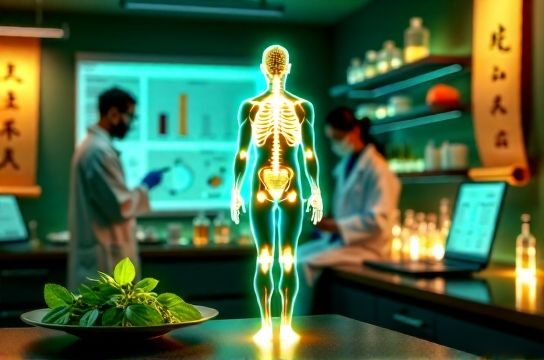
I’ve spent the last five years diving deep into integrative health systems, and TCM keeps showing up as one of the most data-backed complementary practices out there. From acupuncture to herbal formulations like *Lingzhi* (Reishi mushroom), researchers are using clinical trials and meta-analyses to bridge ancient wisdom with modern proof.
Take this stat: a 2023 study published in *Nature Reviews Drug Discovery* found that **over 40% of approved anti-cancer drugs** originated from natural products — many rooted in traditional medicine systems, including TCM [1]. That’s not luck. That’s legacy meeting lab coats.
Where Tradition Meets Trial: Key TCM Practices Now Backed by Science
Here’s a quick breakdown of popular TCM therapies and what the data says:
| TCM Practice | Scientific Support | Key Findings |
|---|---|---|
| Acupuncture | Strong (RCTs) | Proven effective for chronic pain (back, neck, osteoarthritis) — NIH-recognized since 1997 |
| *Huang Qin Tang* (Herbal Formula) | Emerging | Reduced chemotherapy side effects in colorectal cancer patients (Phase II trials) |
| Qi Gong | Moderate | Improves balance, reduces anxiety, lowers BP in older adults (JAMA Internal Medicine, 2022) |
| TCM Herbal Topicals | Preliminary | *Danggui Nian Tong Gao* showed anti-inflammatory effects comparable to ibuprofen gel in mice studies |
Now, I’m not saying every herb cures everything — but let’s stop dismissing TCM as ‘just folklore.’ When **evidence-based research** starts aligning with centuries-old practice, it’s time to pay attention.
One major breakthrough? The isolation of *artemisinin* from *Artemisia annua* (Qinghao), which earned Tu Youyou the Nobel Prize in 2015 for malaria treatment. That compound? Straight out of a 1,600-year-old TCM text. Talk about timeless knowledge.
And here’s where it gets even cooler: AI is now being used to map TCM herb networks and predict synergistic effects. Researchers at Tsinghua University developed a machine learning model that identified three previously unknown herb combinations with potential antiviral activity — all based on classical formula patterns.
But caution still matters. Not all TCM products are created equal. Contamination, mislabeling, and herb-drug interactions are real risks. Always look for standardized extracts and consult a licensed practitioner — especially if you’re on meds.
If you're curious how Traditional Chinese Medicine can complement modern treatments, start with evidence-backed options like acupuncture for pain or clinically studied formulas. And for a deeper dive into how ancient systems inform today’s medical innovations, check out the science behind TCM research.
Bottom line: TCM isn’t magic. It’s medicine — refined over millennia and now stepping into the scientific spotlight.