Traditional Healing Traditions That Originated in Ancient China
- 时间:
- 浏览:99
- 来源:TCM1st
If you're into natural wellness or have ever tried acupuncture for that stubborn back pain, chances are you've dipped a toe into healing systems born thousands of years ago in ancient China. These aren’t just old wives’ tales—they’re time-tested practices backed by centuries of observation and, increasingly, modern science.
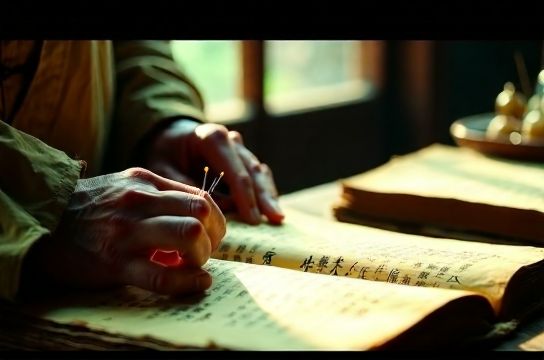
Let’s break down the big three: Traditional Chinese Medicine (TCM), qigong, and herbal therapy. Together, they form a holistic approach that views the body as an interconnected system—not a collection of isolated parts.
Why Ancient Chinese Healing Still Matters Today
According to the World Health Organization, over 113 countries now recognize TCM in some form. In 2022, the global TCM market hit $147 billion—and it's projected to grow at 6.8% annually. Why? Because people are tired of quick fixes and want sustainable, root-cause solutions.
At the core is the concept of Qi (pronounced “chee”)—your vital life force. When Qi flows smoothly, you feel energized and balanced. When it’s blocked? Hello, fatigue, pain, or illness.
A Closer Look at Key Practices
Here’s a snapshot of how these traditional methods stack up:
| Practice | Main Purpose | Scientific Backing | Common Uses |
|---|---|---|---|
| Acupuncture | Restore Qi flow | Strong (NIH-recognized for pain relief) | Chronic pain, migraines, stress |
| Chinese Herbal Medicine | Balancing internal systems | Moderate to strong | Digestive issues, insomnia, immunity |
| Qigong | Cultivate & circulate Qi | Growing (linked to reduced inflammation) | Anxiety, fatigue, longevity |
Yep, acupuncture isn’t just needles—it’s a precise science mapping over 360 points along meridians (energy channels). Studies show it can reduce chronic lower back pain by up to 50% compared to conventional care alone.
Herbal Wisdom You Can’t Ignore
While Western medicine often isolates active compounds, Traditional Chinese Medicine uses whole herbs in synergistic formulas. Take Shi Quan Da Bu Tang—a classic tonic. Research in the Journal of Ethnopharmacology found it improved immune response in elderly patients by 30% over eight weeks.
But caution: self-prescribing can backfire. Always consult a licensed practitioner—some herbs interact with medications.
Final Thoughts: Bridging Old and New
The brilliance of ancient Chinese healing lies in prevention. While modern medicine excels in emergencies, TCM shines in maintaining balance before problems arise. Think of it as your body’s software update—regular maintenance keeps everything running smoothly.
Whether you’re battling burnout or boosting immunity, exploring these traditions could be your next wellness upgrade.